Johannesburg Climate Week returned for its second year as a space of justice, resilience, creativity, and connection in the city.
Highlights from Johannesburg Climate Week 2026
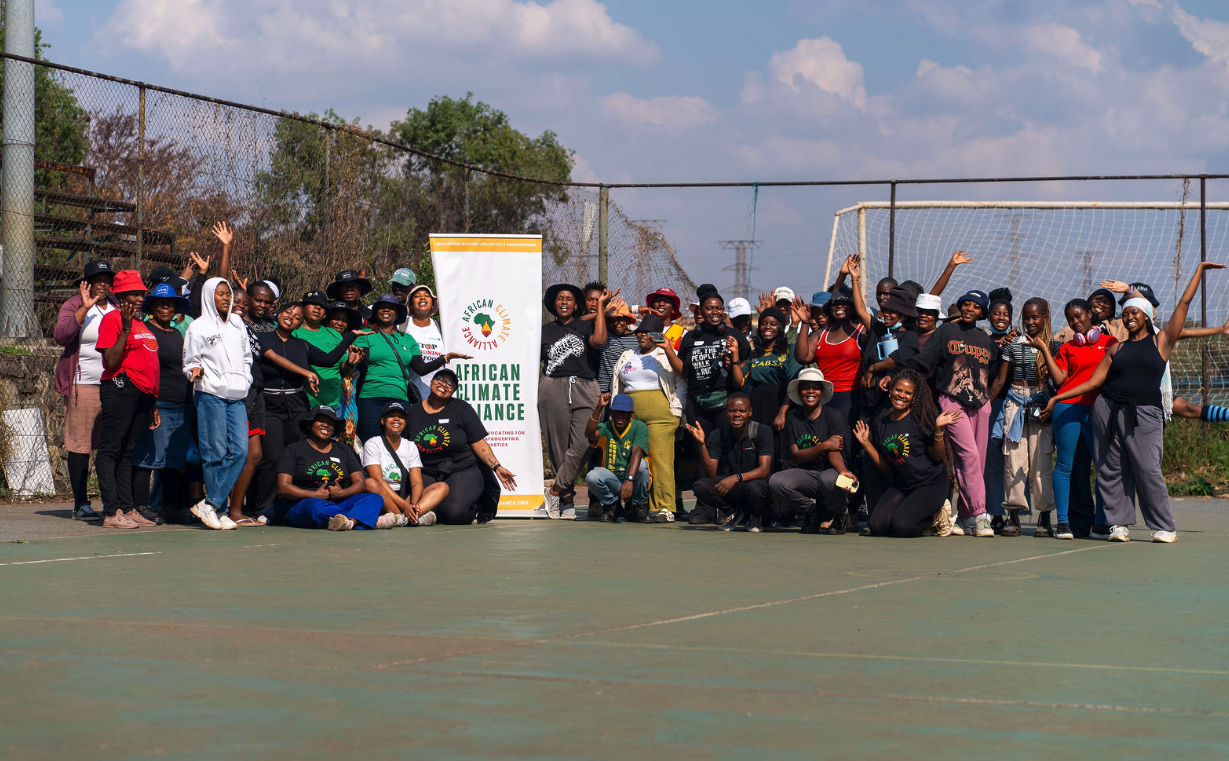
Johannesburg Climate Week Participants gather after a river clean up. Photo credit: Masha
From 21 - 25 September, Johannesburg Climate Week returned for a second year in a row with the aim to be a space of justice, resilience, creativity, and connection in the city - this year doubling the events programme! Over five days and six free events, Johannesburg Climate Week brought together over 350 activists, community leaders, students, and citizens who shared ideas, rode bikes, watched screenings, and moved around the city, exploring how climate change is deeply connected to social justice in South Africa while celebrating the grassroots solutions that already exist to these intersecting issues.
The week couldn’t have arrived at a more important moment. As climate change intensifies, amplifying existing social ills, the city’s air quality ranks amongst the worst of any major city in the world. Meanwhile, its strained water infrastructure leads to entire suburbs going without water for weeks while huge amounts of supply is lost to leaks. Johannesburg Climate Week asked what it means to build energy, water, food and gender justice in a city where the basic systems meant to sustain life are under major strain. And what it means to focus on the solutions communities are already working on to build resilience in the face of it all.
As co-organiser Sibusiso Mazomba puts it: “In a time when there’s a lot of doom and gloom around our shared future, ”Johannesburg Climate Week served as a beacon of hope in action to spotlight solutions led by frontline communities on the ground. The week is really about showcasing solutions while building solidarity and community to continue the fight for our better future.”
Take a look at some of the highlights:
Day 1: City in Motion
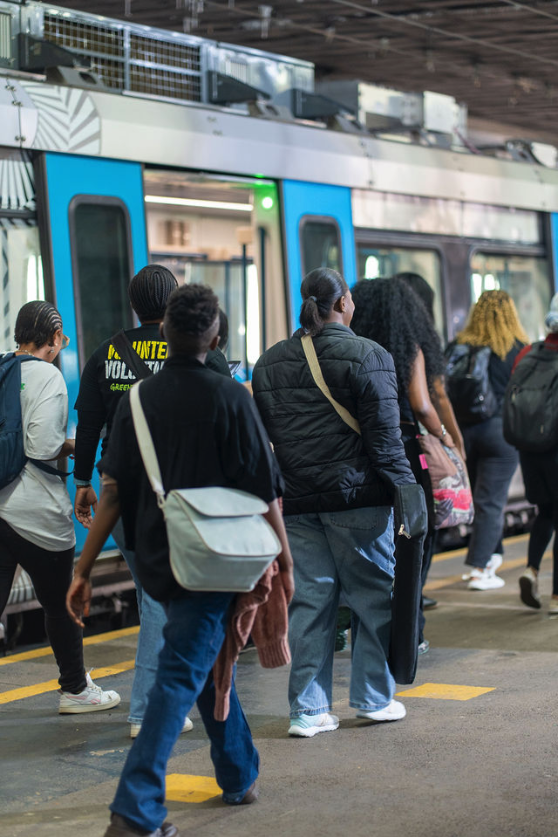
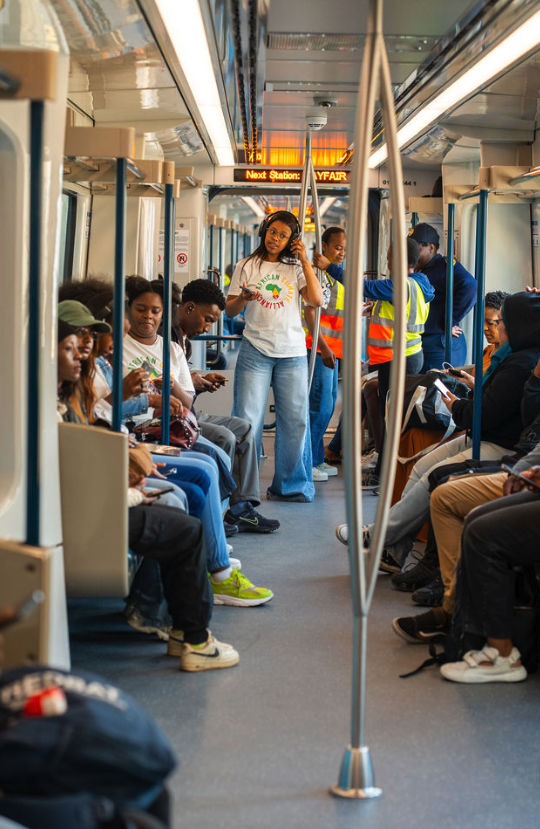
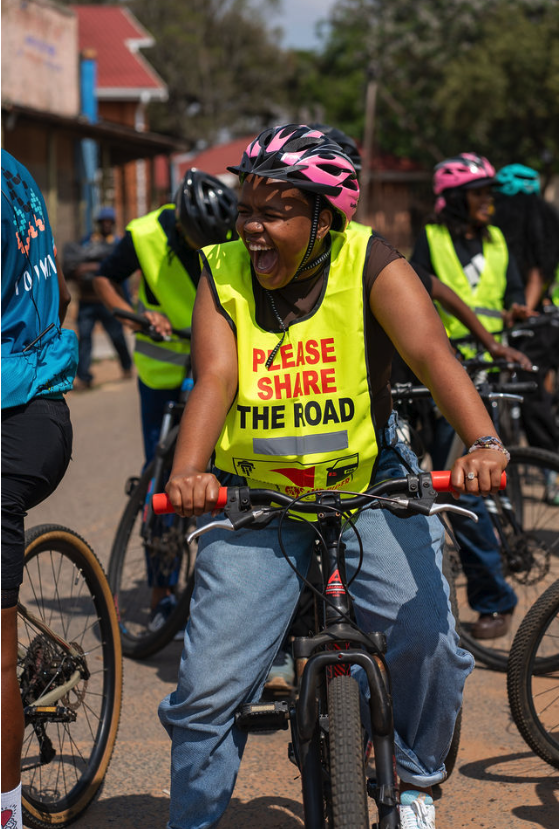
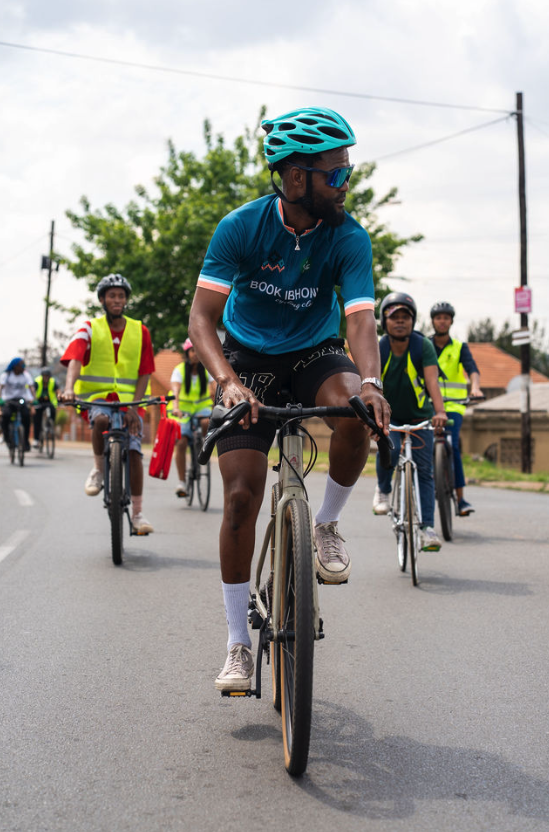
Day 1 of Johannesburg Climate Week 2026 asked a simple question: who was this city built for?
Apartheid spatial planning still shapes Johannesburg today, in who lives where, how far people have to travel, and who feels the impacts of a climate crisis they didn't cause. So instead of just talking about spatial justice, we moved through it. By taking a train from Park Station to Phefeni on the Naledi Line, followed by a bicycle ride with Book Ibhoni through Orlando to the June 16 Memorial Arch in Jabavu. We concluded with workshop with GCR Observatory that connected everything we noticed along the way to the bigger picture of climate vulnerability and urban inequality.
Day 2: Climate and Energy Accountabilty Cafe & Film Screening
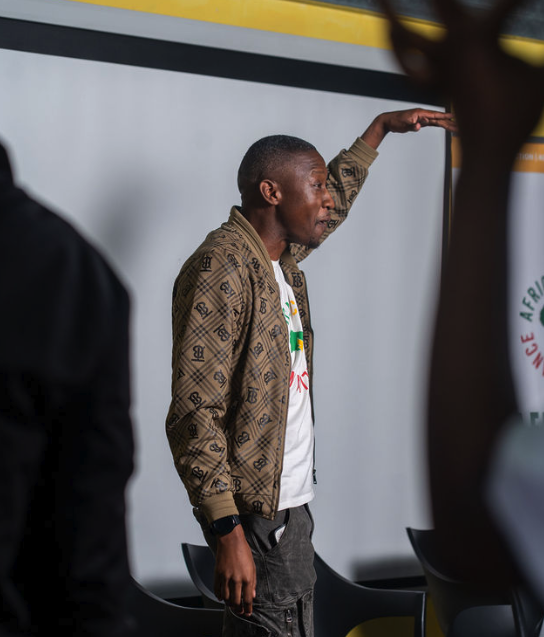
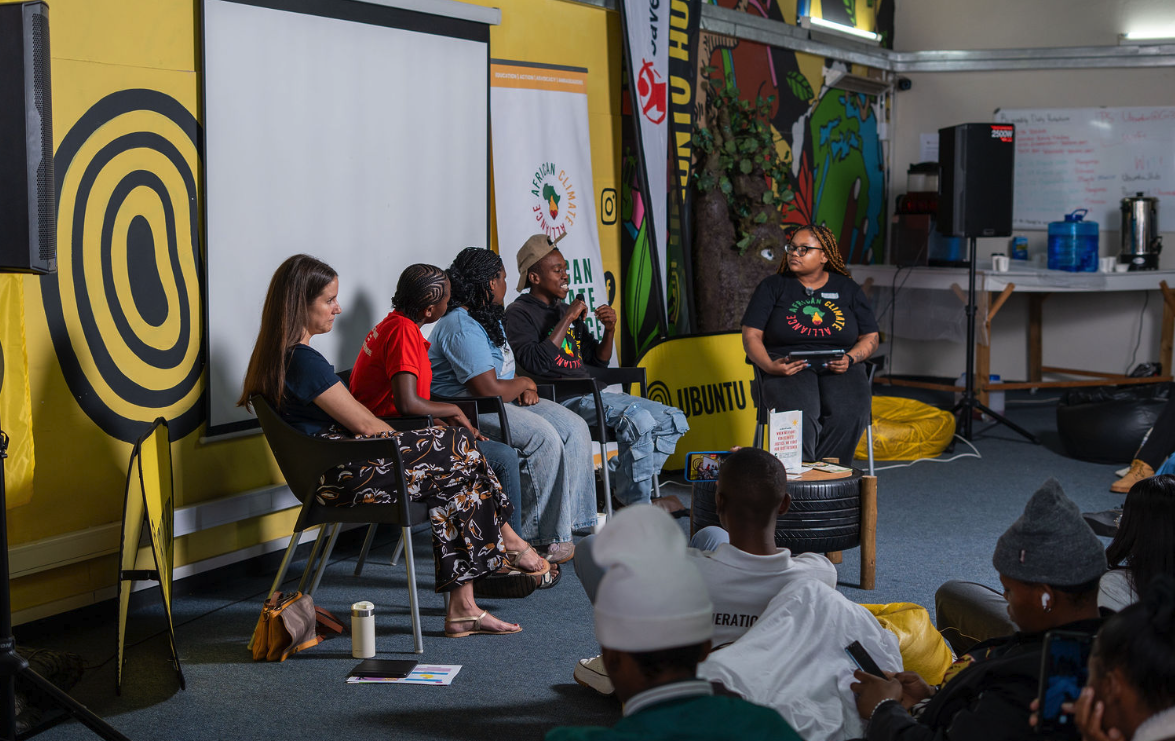
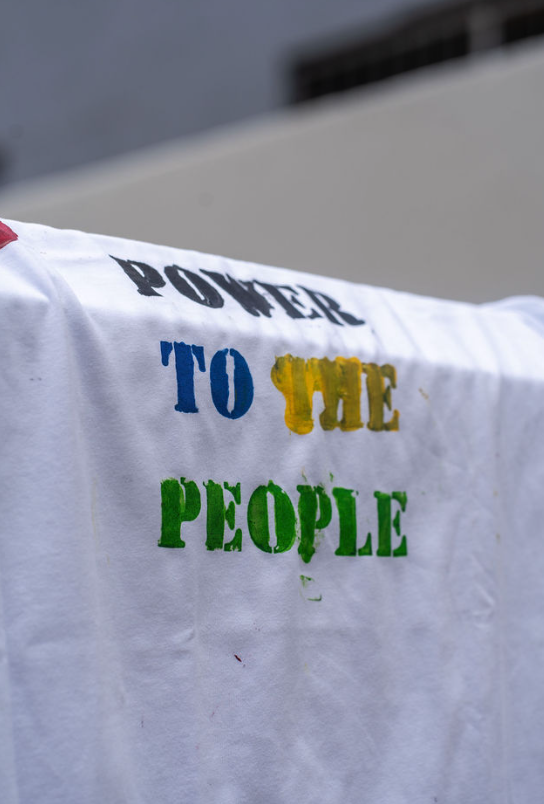
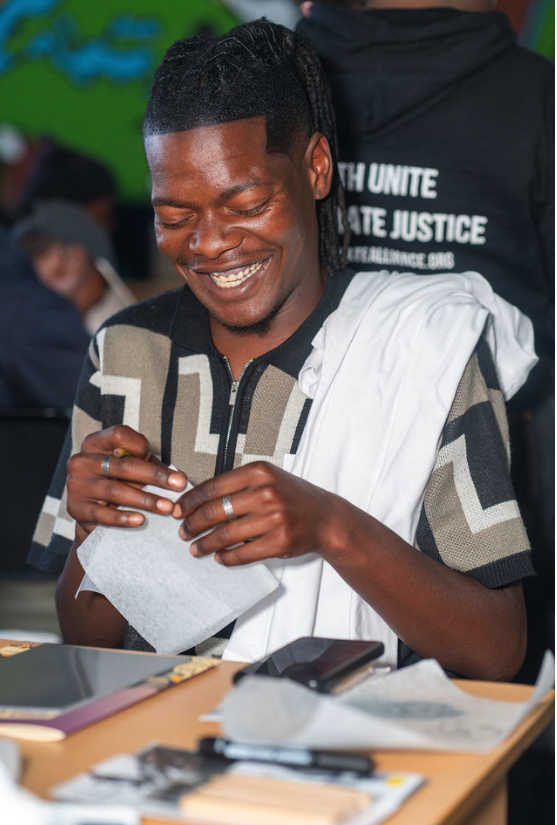
Day 2 continued with a day of accountability and reflecting on the stories, struggles and pathways toward a just energy future. We started the day off with a Climate and Energy Accountability Cafe where youth, legal experts and civil society gathered to launch the co-creation of a Child and Youth Rights Impact Assessment tool. Through dialogue and art, we started bridging the gap between legal victories and lived realities, working with Black Girls Rising, Open Secrets and the Centre for Child Law.
Later, we screened 'We Can't See The Sunset', followed by a panel discussion on energy justice, extraction and community resistance. The film illustrated how the energy crisis has a cost, and it isn't paid equally.
Day 3: Every Drop Matters
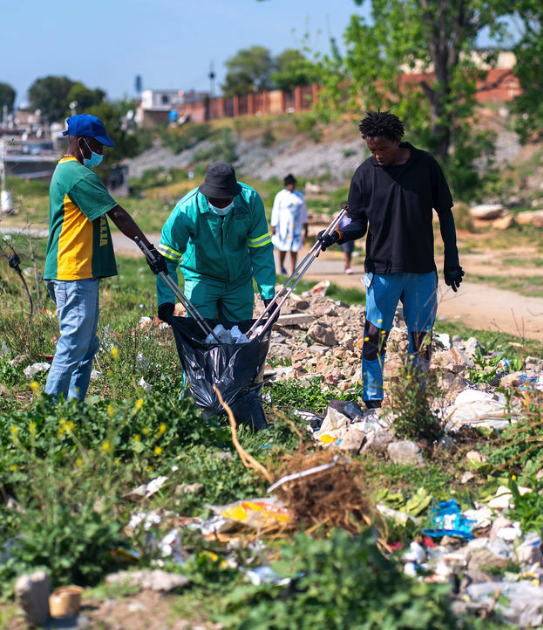
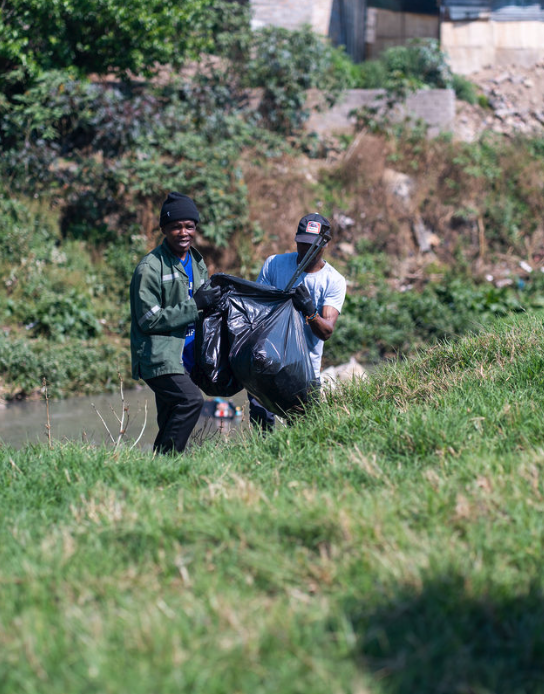
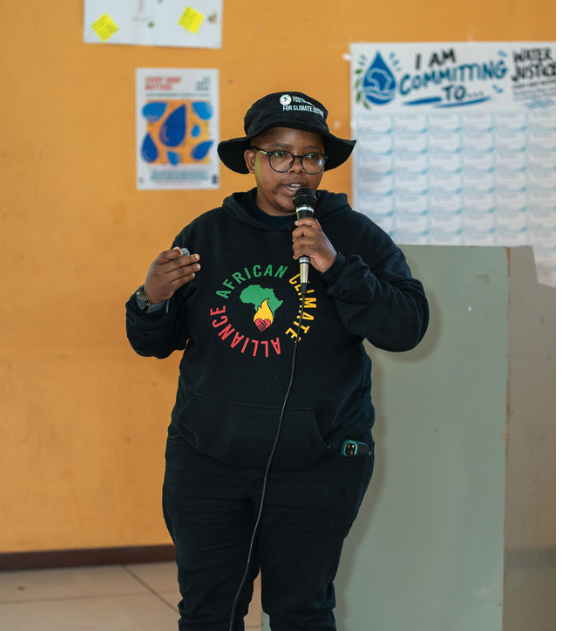
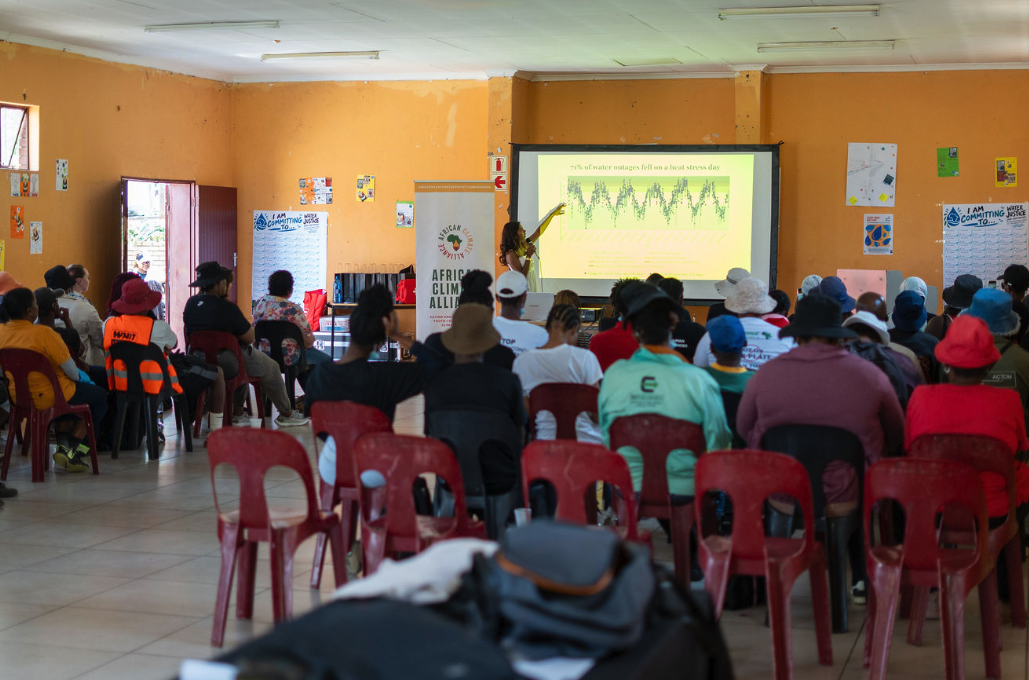
Water is a constitutional right, not a privilege, yet it remains one of the clearest fronts of climate injustice. Day three started at East Bank Jukskei with the Alexandra Water Warriors. Together we got our hands busy through a river clean-up and stewardship activity. We then headed to Atrec Sports Centre, where Wits H2O brought research and lived experience together in a student presentation and panel on building a water-secure Johannesburg. We closed with a Water Justice Signature Banner where every participant committed to protecting the rivers that carry our communities.
Day 4: From Soil to Plate: Reclaiming Our Food Futures
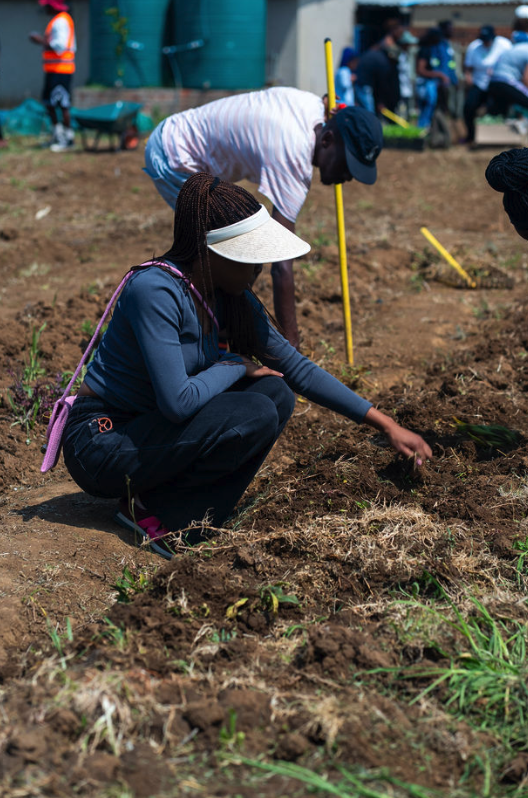
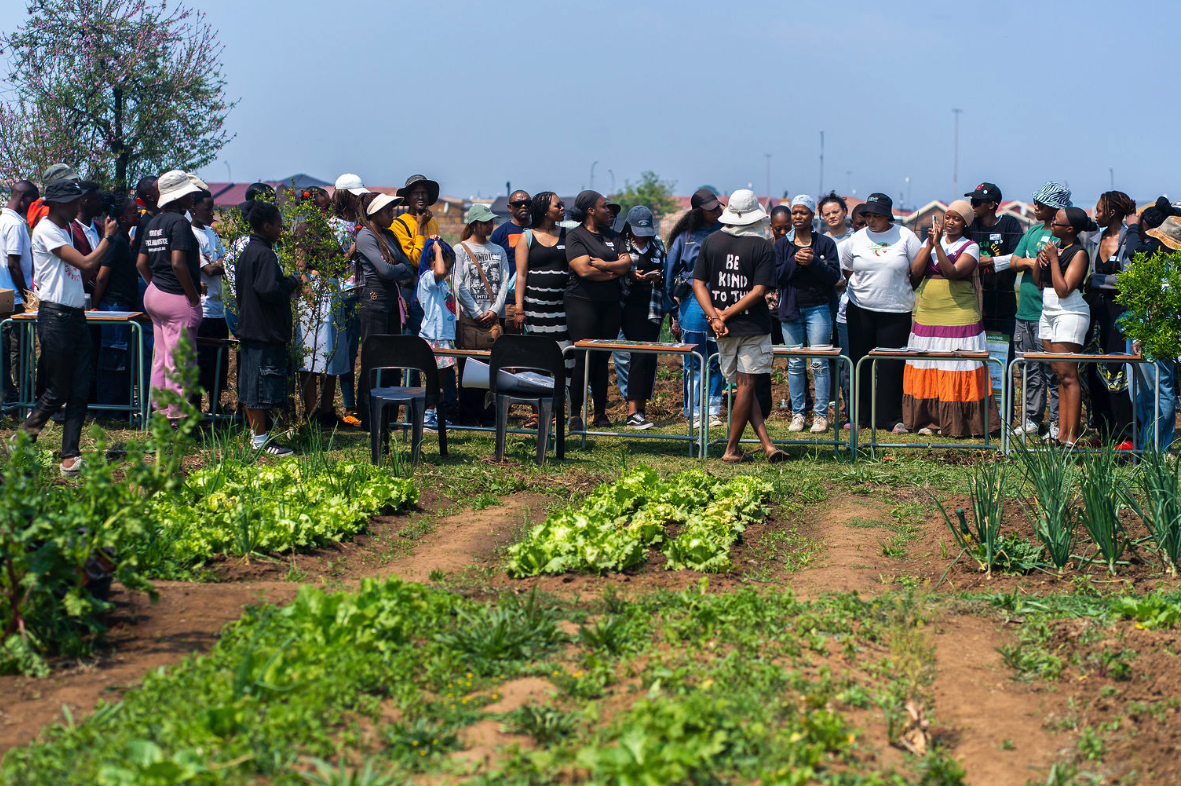
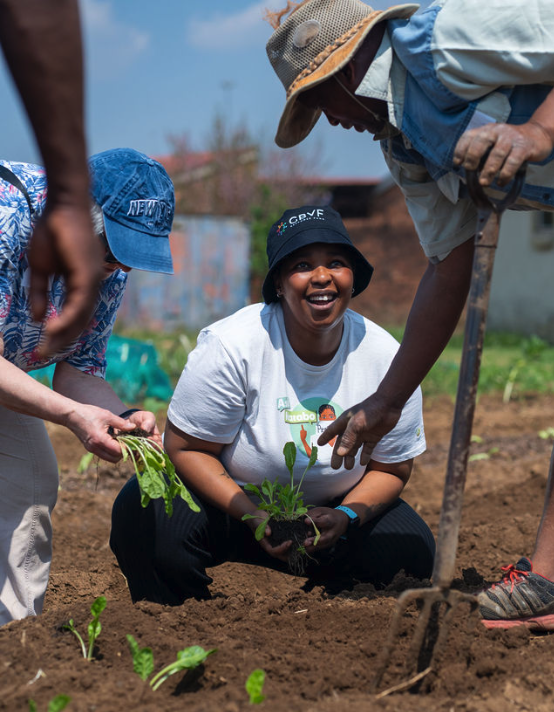
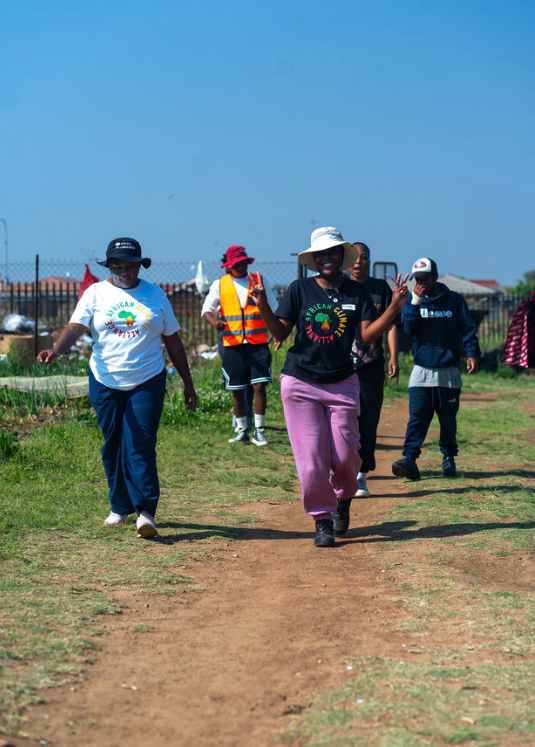
Day four of Johannesburg Climate Week saw us spending the day exploring the path from seed to plate with Plenty Green Africa, Eating with Marbz, and the Climate Justice Charter Movement. We traced the hidden systems behind an everyday meal: who grows it, who profits, who's left out, and dug into indigenous seeds, soil health, and food sovereignty. We mapped who really holds power in our food system, shared a table over locally sourced food and food stories, and closed by imagining a just, climate-resilient Johannesburg food system for 2040. We concluded that a garden is not necessarily a hobby but a refusal to depend on systems built to exploit land, labour and people.
Day 5: Beyond the screen: Climate, gender and community action
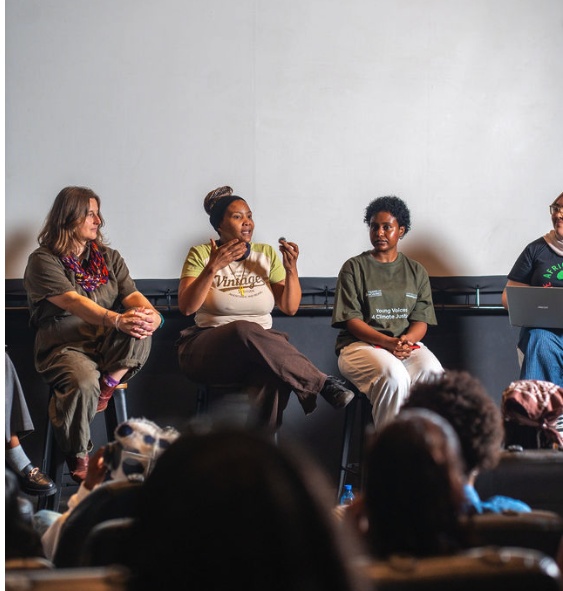
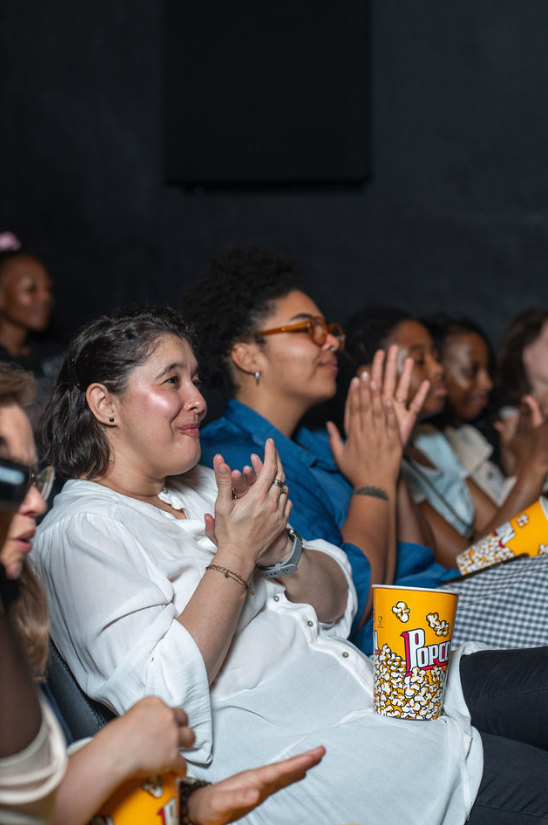
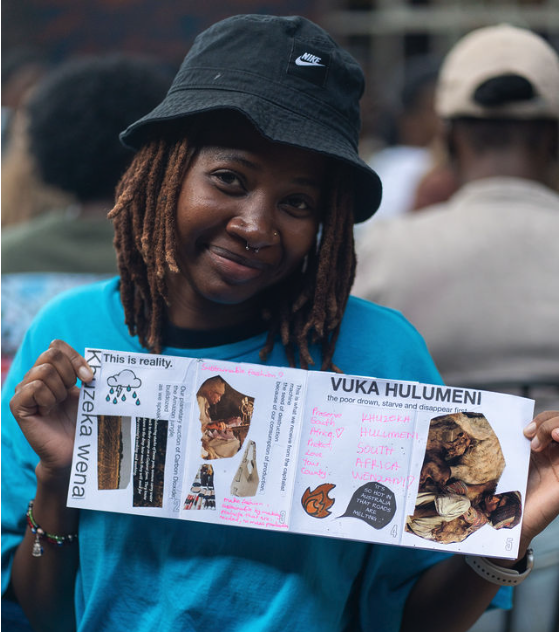
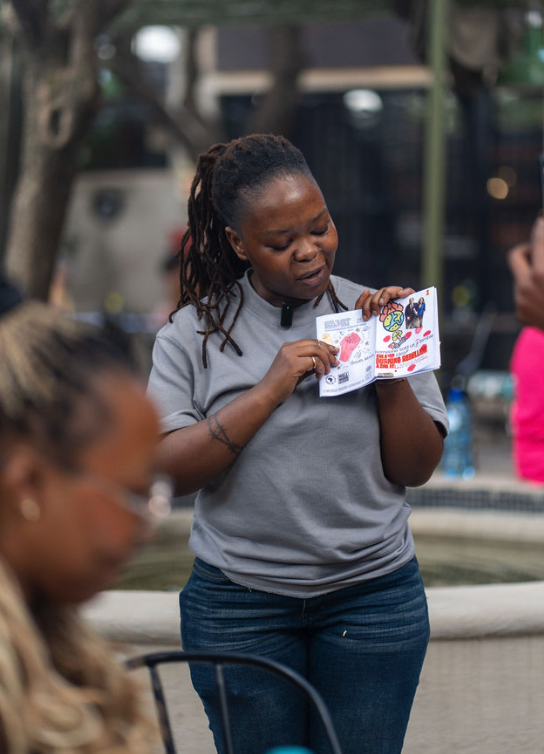
We closed the week with a day exploring climate justice through a gender lens with Well Worn Theatre Co. and the Community Art Mobilisation Project (CAMP).
We affirmed that women, girls and gender-diverse people carry disproportionate burdens, from unpaid care work to heightened vulnerability during climate disasters. We screened "Burning Rebellion," followed by a moderated discussion with actors, writers and gender activists connecting artistic expression to lived experiences. The day closed with a two-hour artistic reflection and zine-making workshop where participants processed power, resistance, and care through creative expression, then shared what they did through a sharing circle closing off the day and the week.
Key Takeaways
Climate justice is social justice: The week highlighted how climate justice cannot exist without gender justice, water justice, food justice, spatial justice, and energy justice.
Youth at the centre: Children and young people led every event, showing their power to drive climate solutions and demanding more spaces to shape decisions.
Creative action over talk: From zine making, to films and workshops, participants used creativity and storytelling to turn climate theory into collective action.
Community-led transformation: Solutions must be led from the ground up. Local initiatives can reclaim space, restore ecology, and create healing green areas in marginalised neighborhoods.
Gender-responsive solutions: women, girls and gender-diverse people carry disproportionate burdens, from unpaid care work to heightened vulnerability during climate disasters. Gender justice must guide policies and community responses.
Thank you to everyone who atteneded and to our partner organisations which included Open Secrets, Black Girls Rising, Plenty Green Africa, Centre for Child Law, Alexandra Water Warriors, Eating with Marbz, Book Ibhoni, Save the Children, Well Worn Theatre Company, CAMP, Climate Justice Charter Movement and Gauteng City-region Observatory.