Youth-Led Climate Justice Across Southern and Eastern Africa: Highlights from ACA’s Decentralised Actions
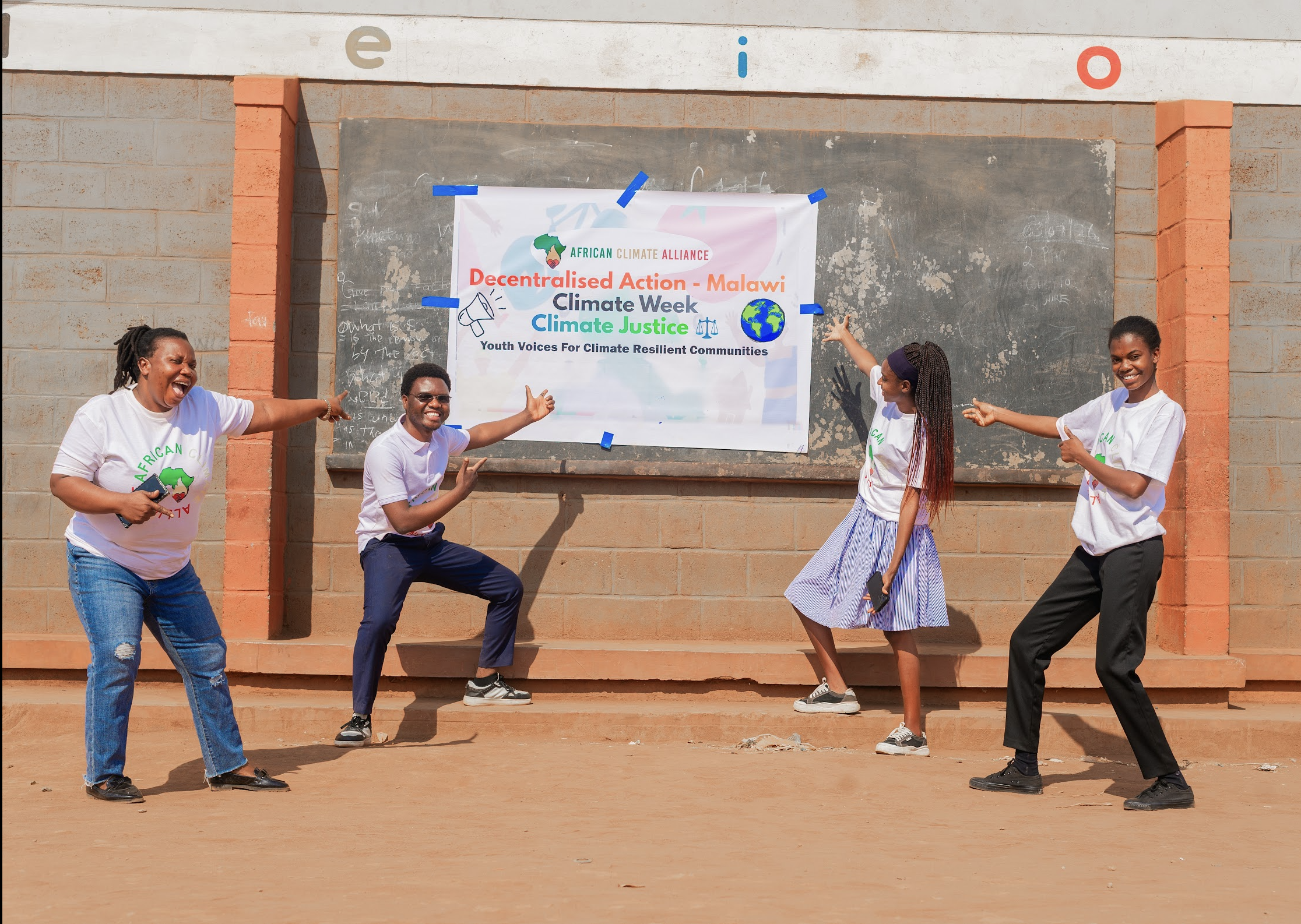
In September 2026, as part of our broader climate week (or rather month) initiative, young people across five African countries came together to run a series of community-led climate justice events in their respective communities. From school halls in Malawi, to a university campus in Botswana, to urban gardens in Nairobi and moringa farms on the Kenyan coast, ACA ambassadors led eight decentralised actions that turned big ideas about energy, food, water and gender justice into local conversations and hands-on action.
Here is a look at what happened, country by country:
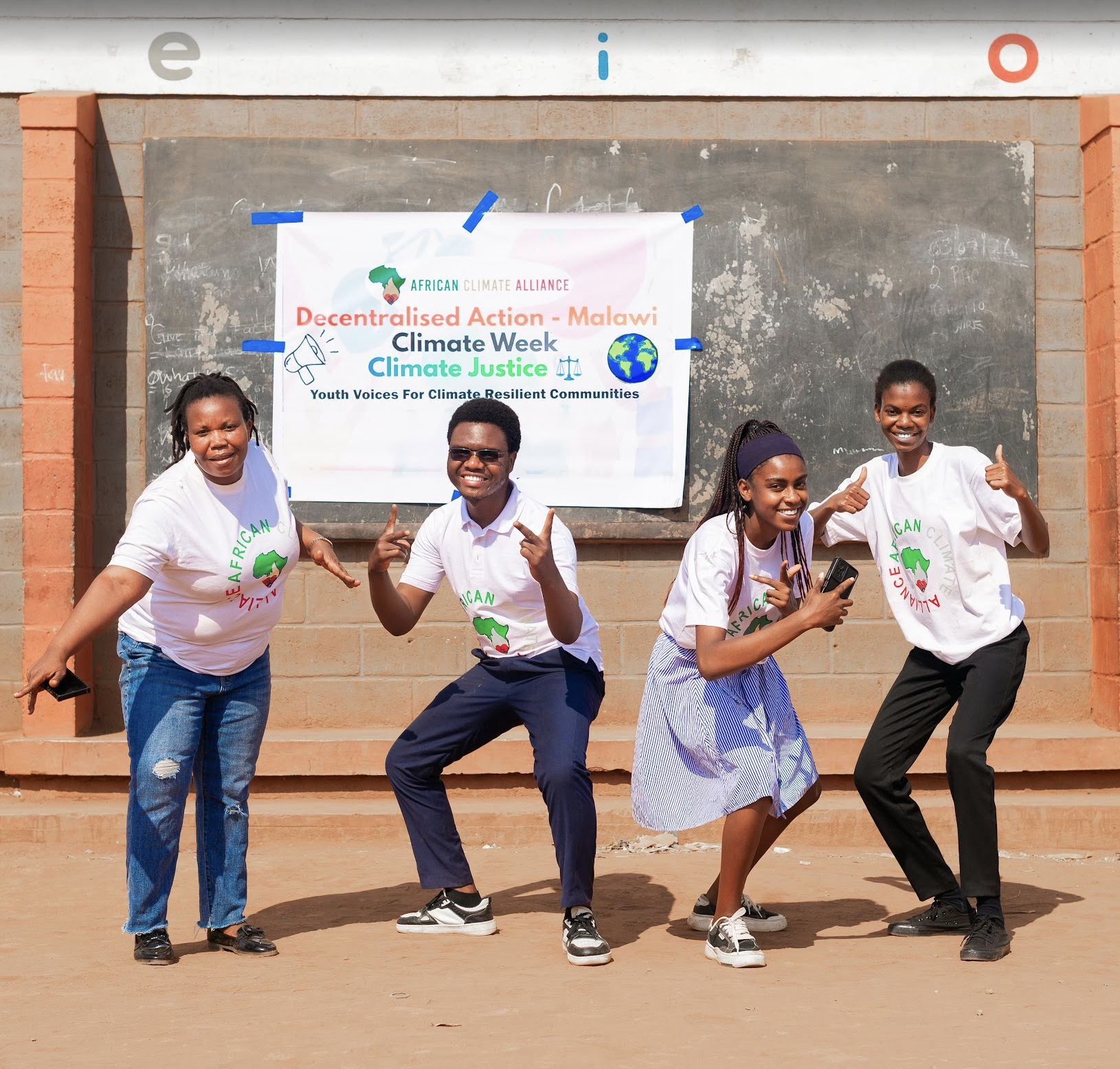
Malawi: Three Events, One Shared Spirit
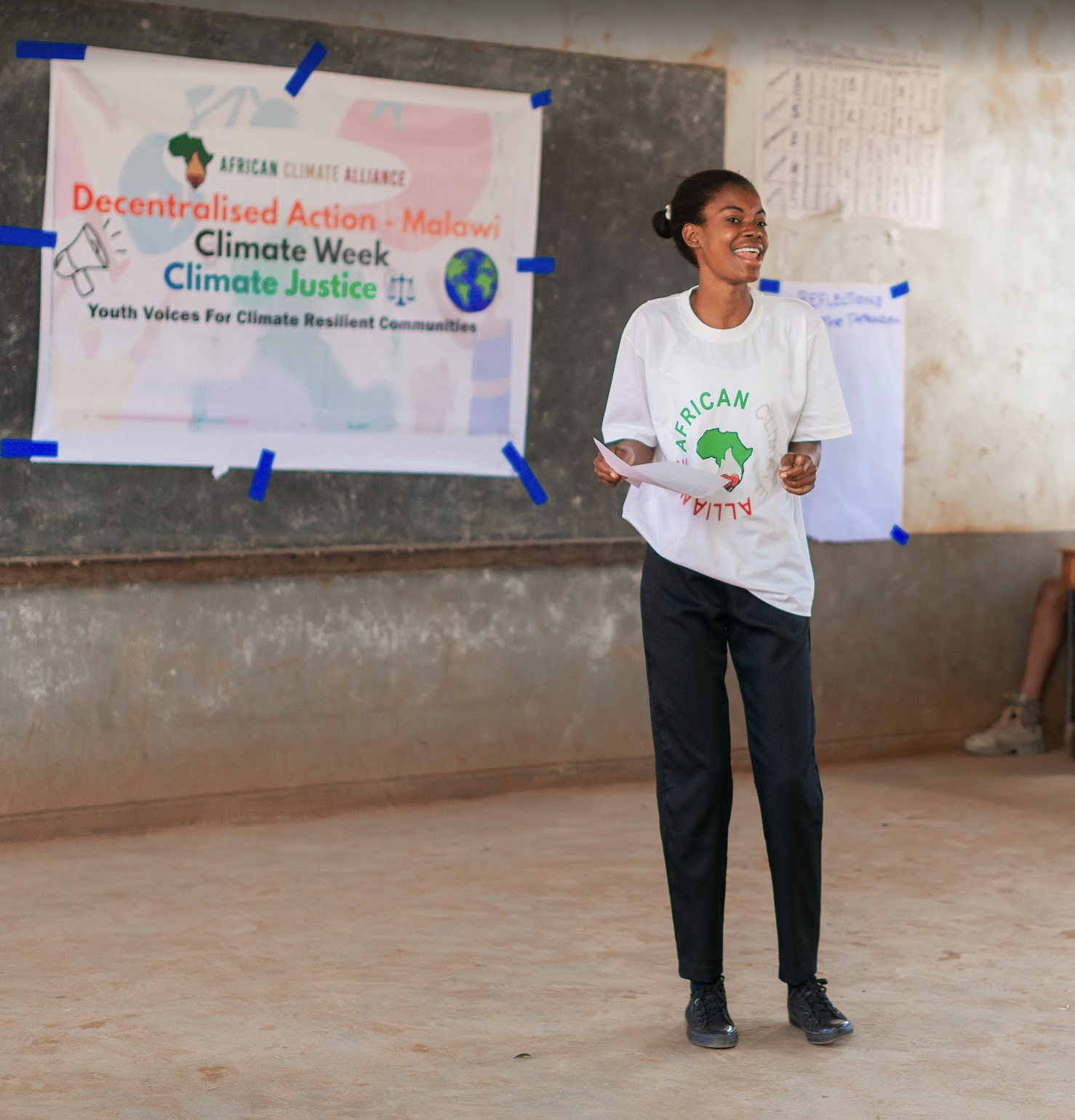
Resilient Youth Dialogue for Climate Justice (Balaka)
Lead: Imaan Msume | Date: 12 September 2026 | Partners: Yetu, Green Tech Risers
Secondary school youth in Balaka District explored how food security, sustainable energy, gender equality and climate change intersect in their daily lives. Through participatory activities, keynote inputs and a multi-stakeholder panel, participants examined local climate challenges and co-created practical action plans.
For many, it was their first time engaging with climate issues beyond school theory and local leaders praised the dialogue for centring youth voices.
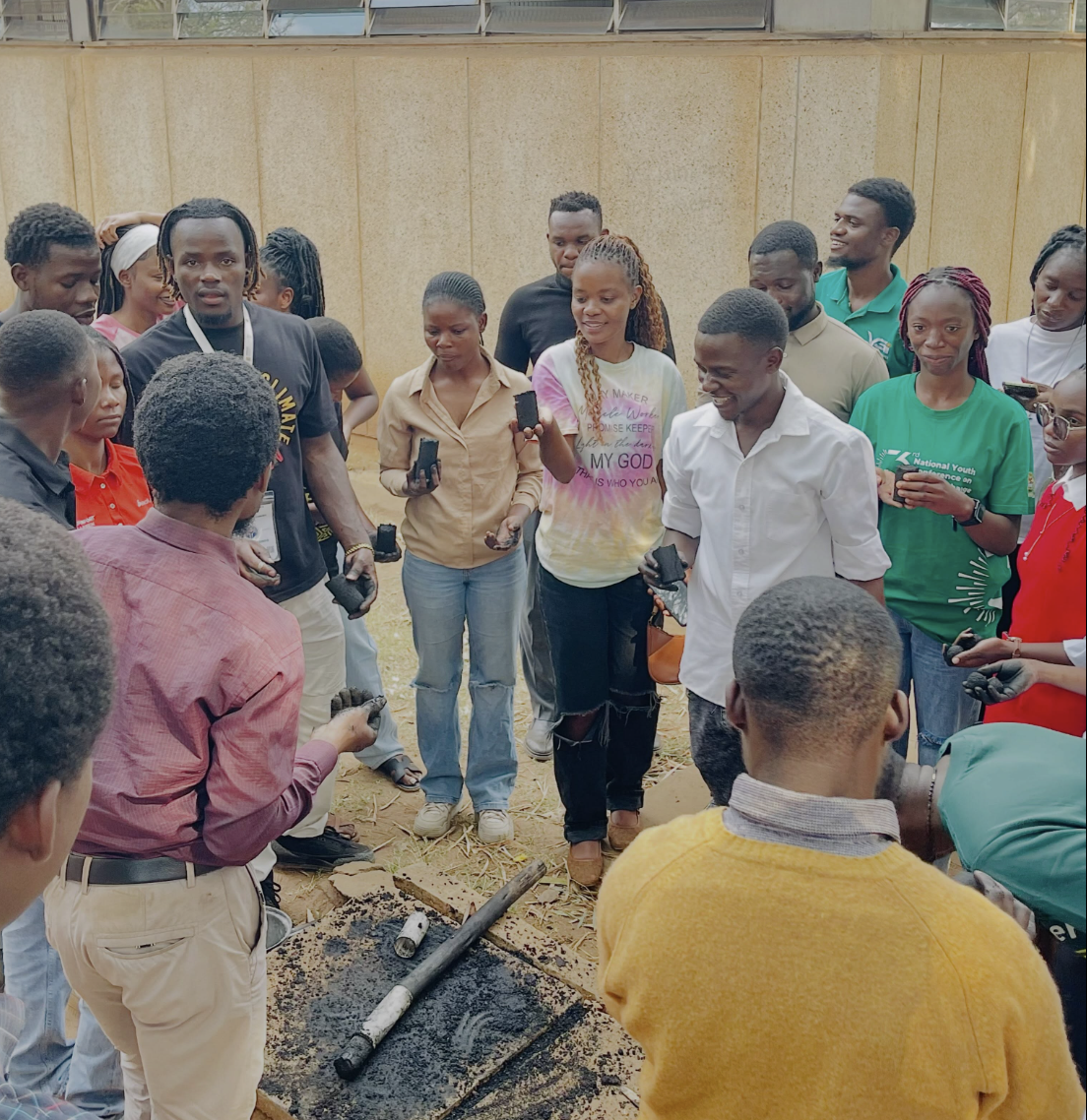
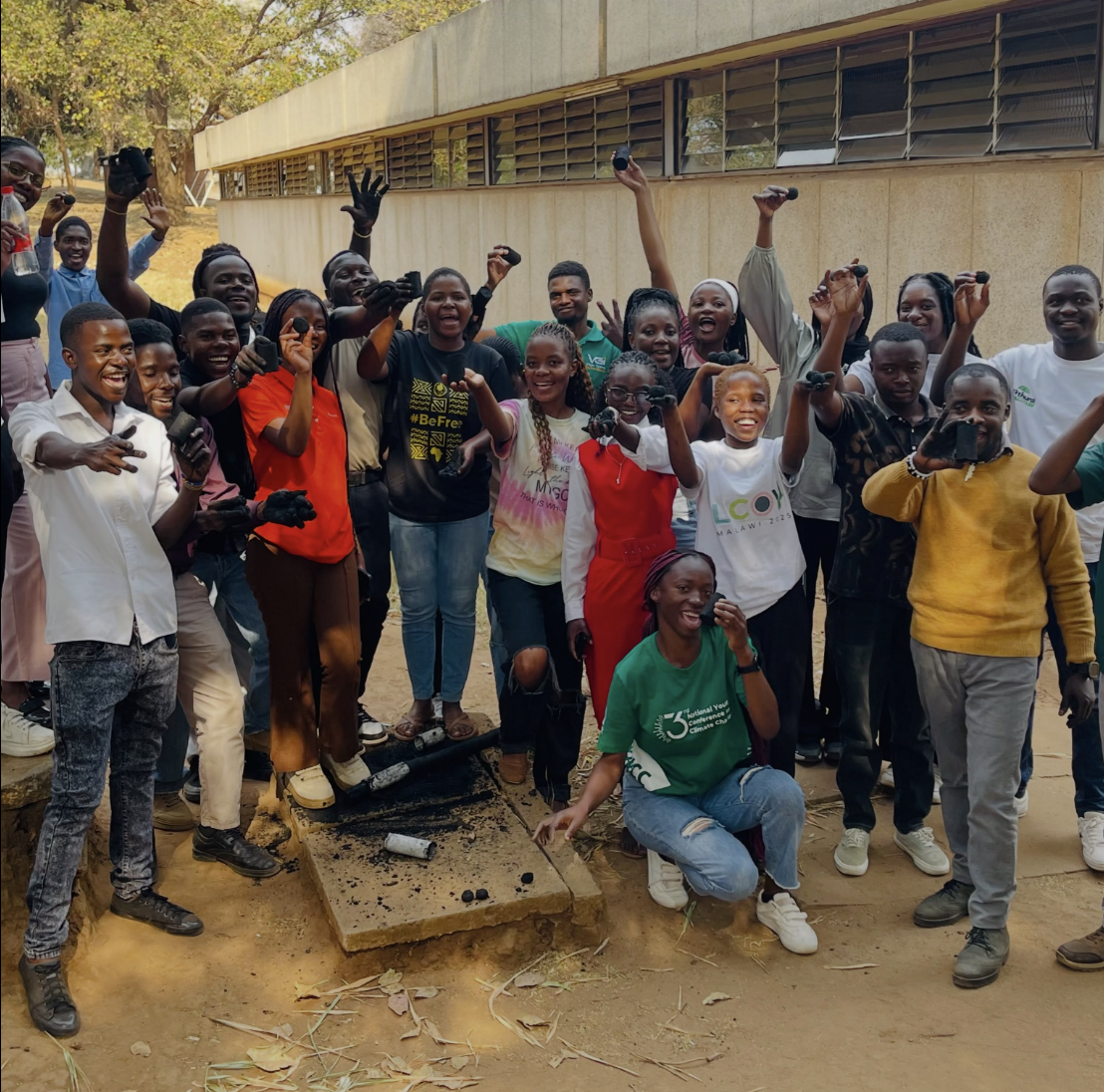
Green Hands, Brighter Future for All (Lilongwe)
Lead: Wiseman Nyondo | Date: 12 September 2026 | Partners: YCN, The Big Three Electricians
This one-day practical workshop equipped rural youth with hands-on skills in solar energy, briquette making and eco-brick production, alongside a climate justice dialogue on energy, food and gender justice. It also created space for intergenerational learning and community-driven solutions.
Participants left keen to share their new skills, promote briquettes and eco-bricks in their communities, and explore green business opportunities.
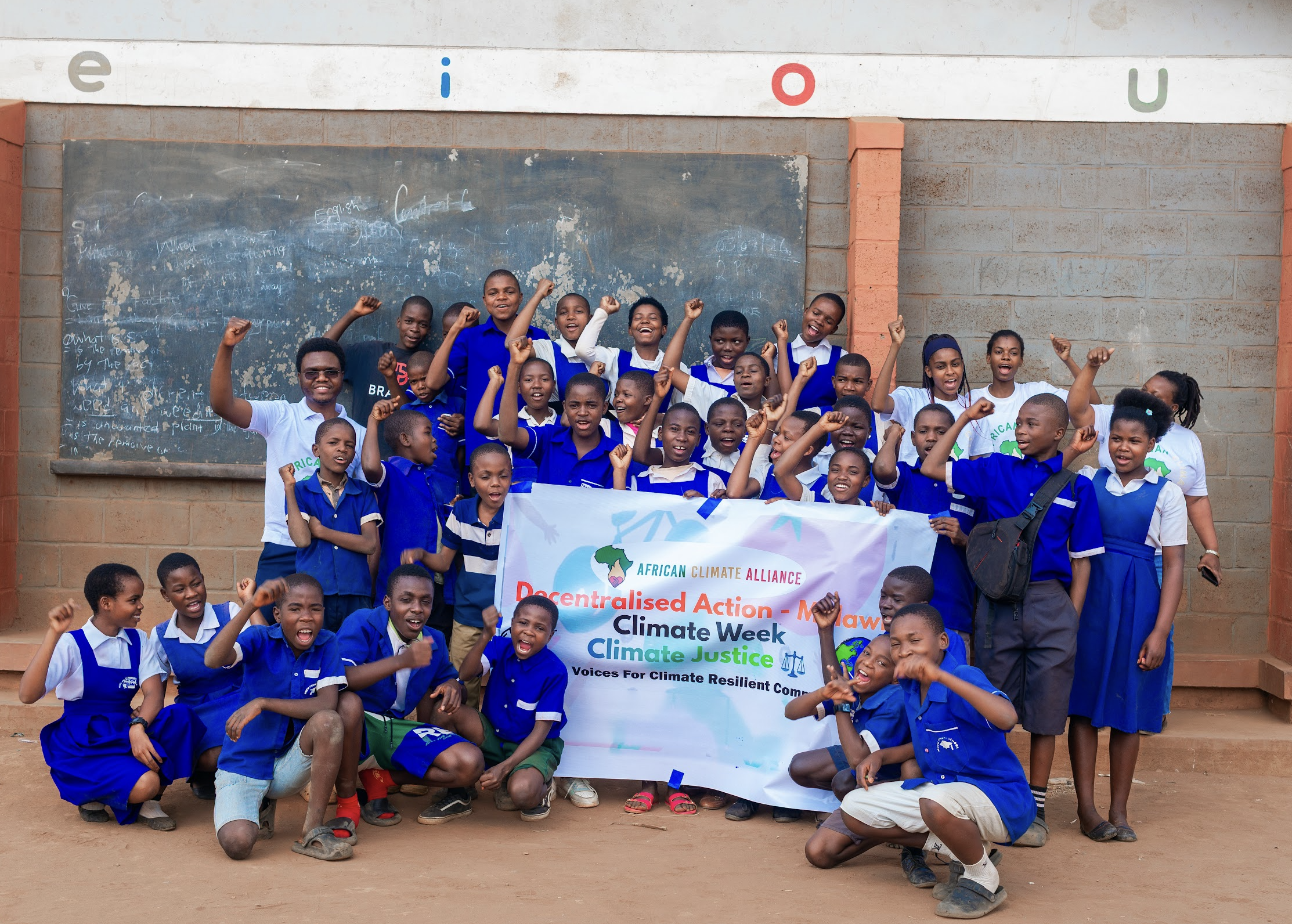
Water Justice in an El Niño Year (Lilongwe)
Lead: Daniel Chinyama | Date: 19 September 2026 | Partners: Muzu Wildlife and Environmental Club
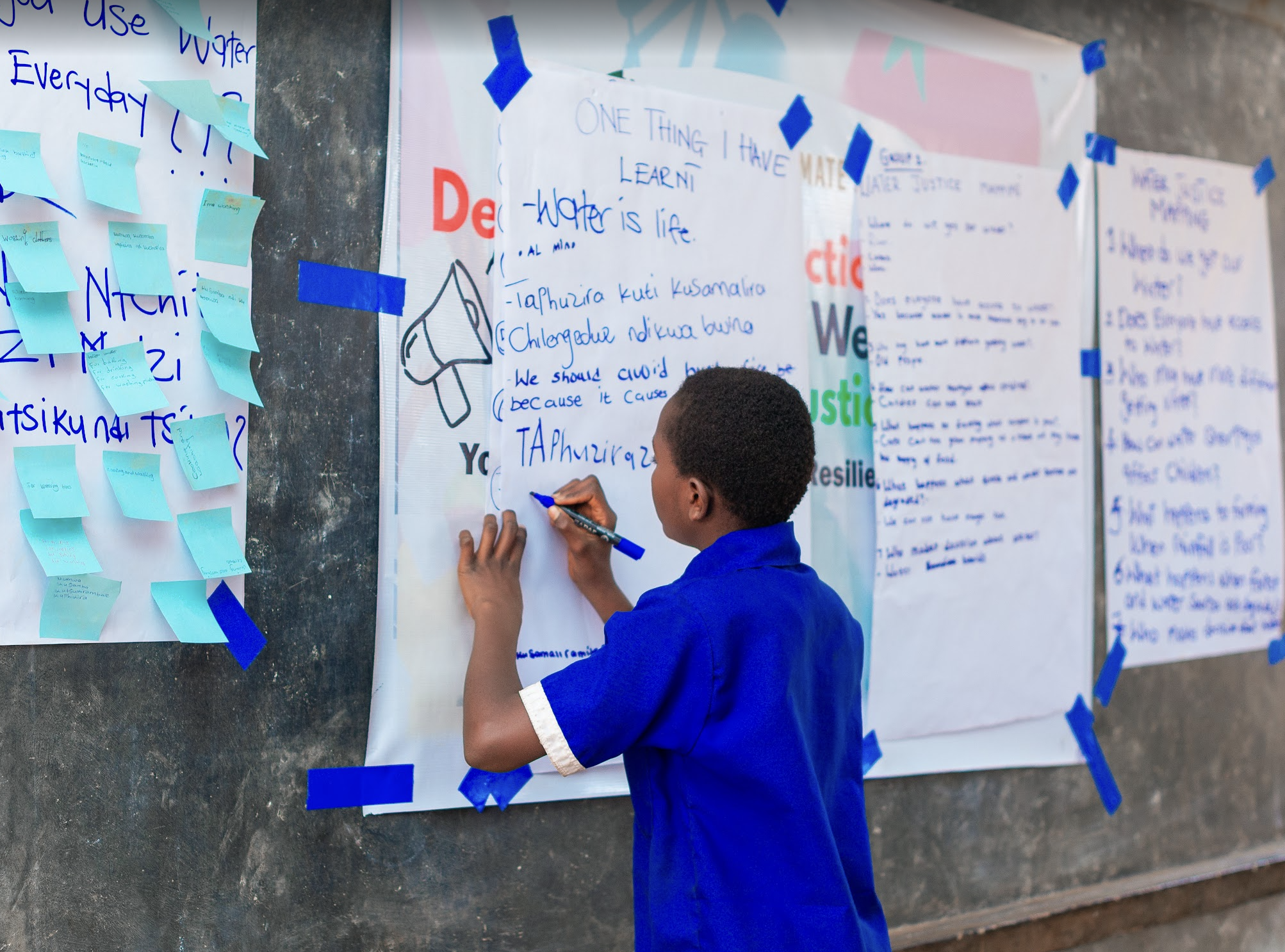
Thirty-four learners aged 11 to 17 explored water justice and climate variability during an El Niño year. Using interactive discussions, Water Justice Mapping and group action planning, they looked at how water scarcity affects different communities in different ways and identified solutions they could take forward, including tree planting.
Facilitators and school leaders praised the activity for including young people who are so often left out of climate conversations, and learners said they appreciated being recognised as capable contributors to climate solutions.
Botswana: Change the Current
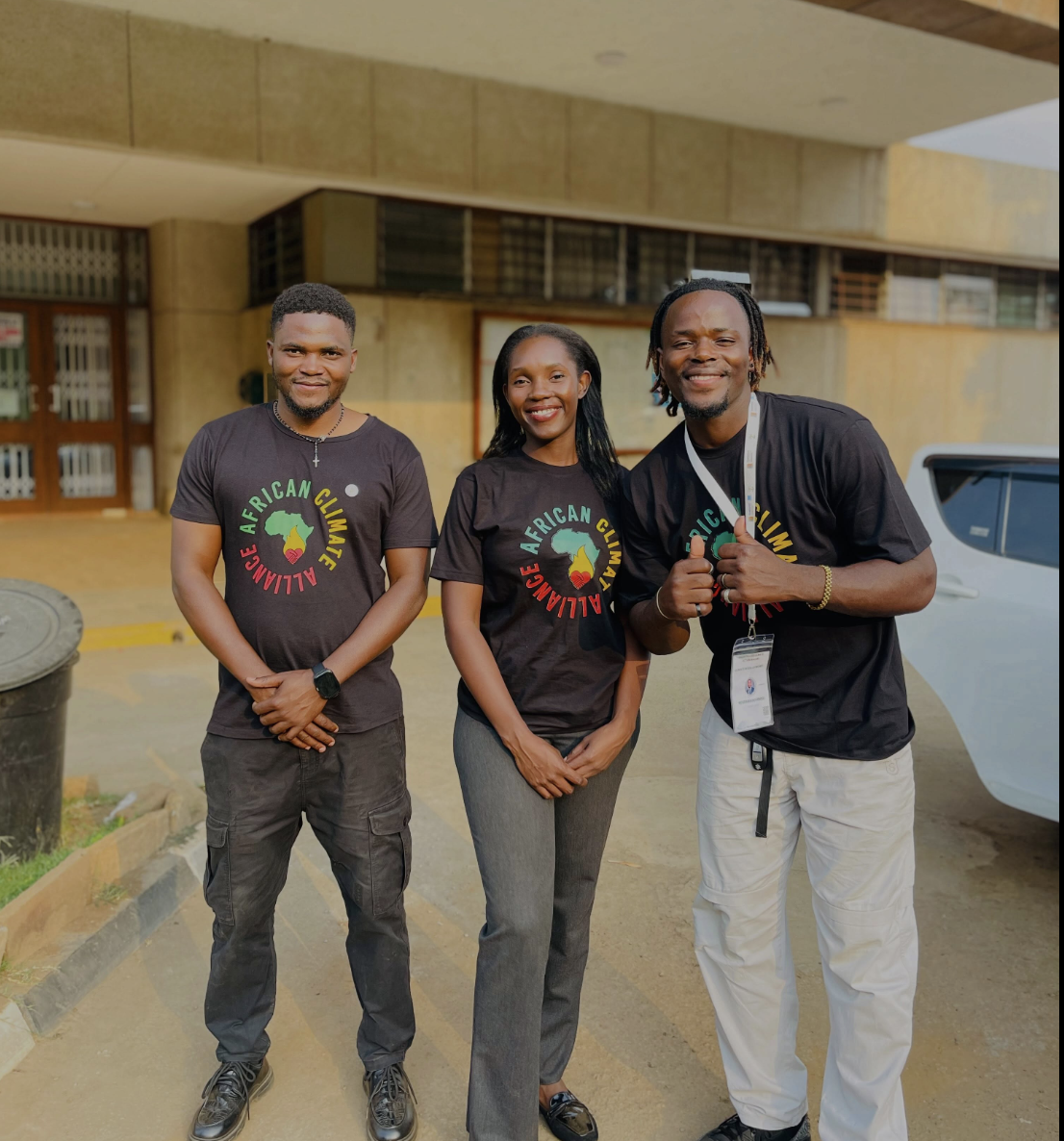
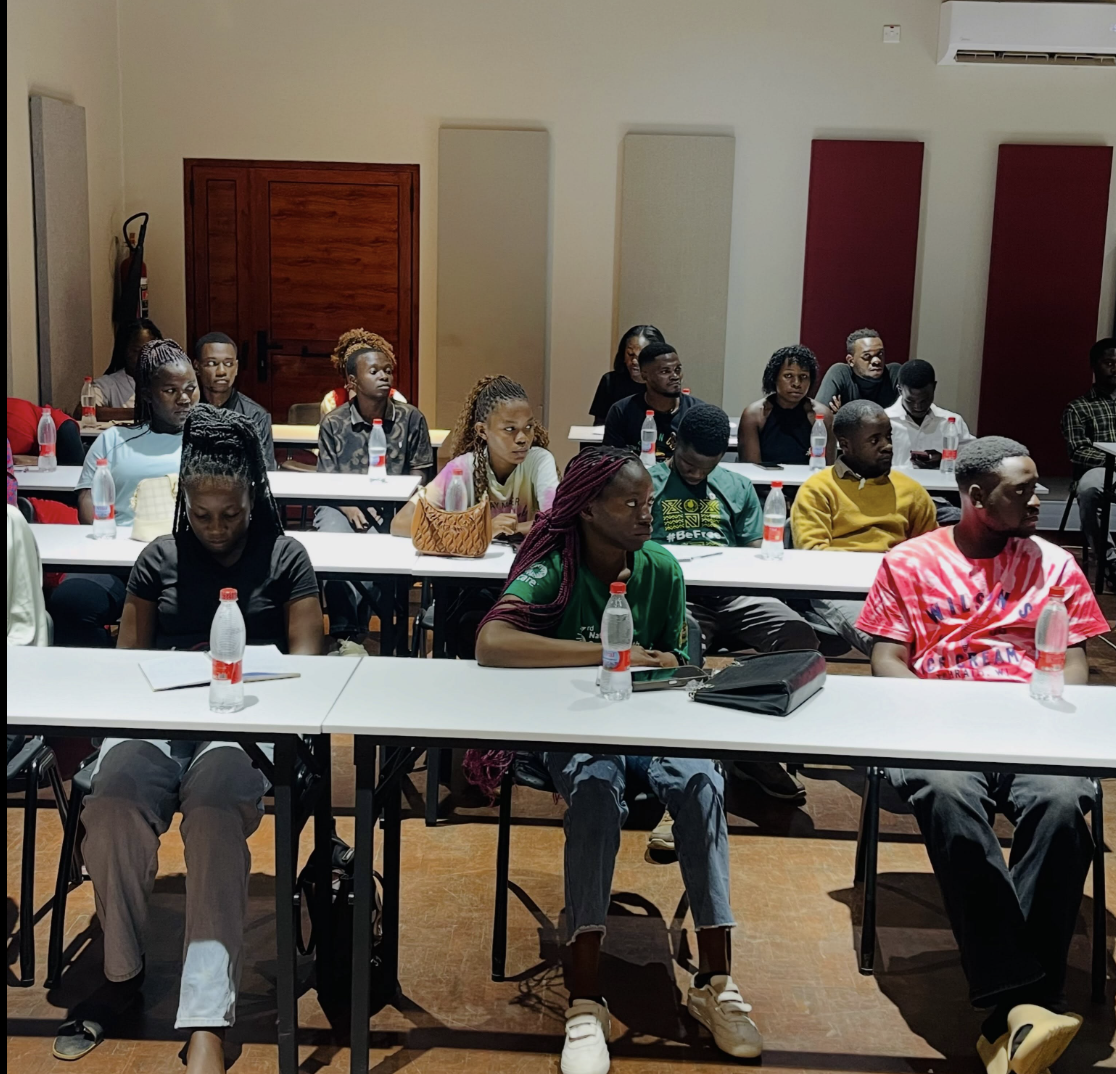
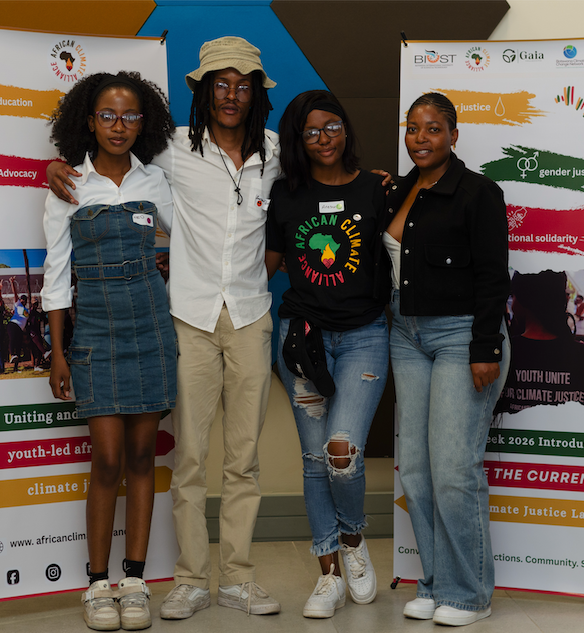
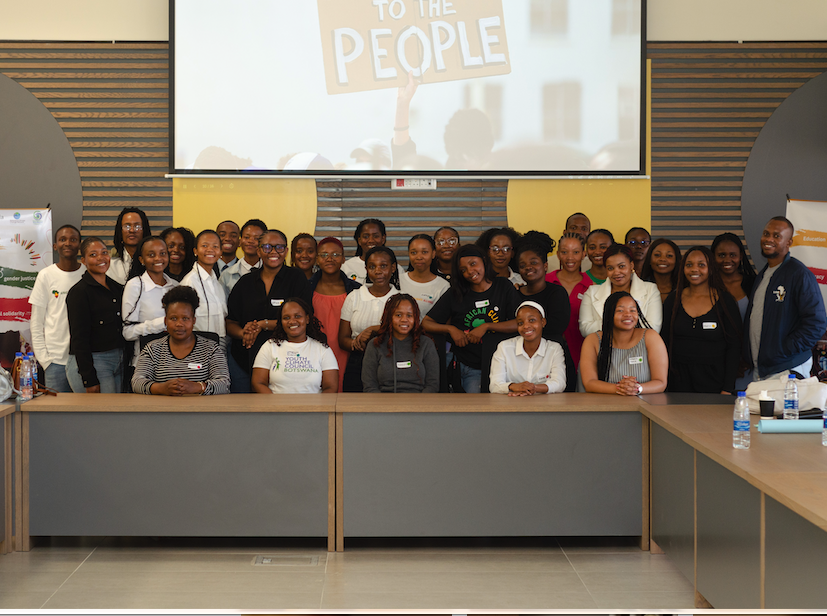
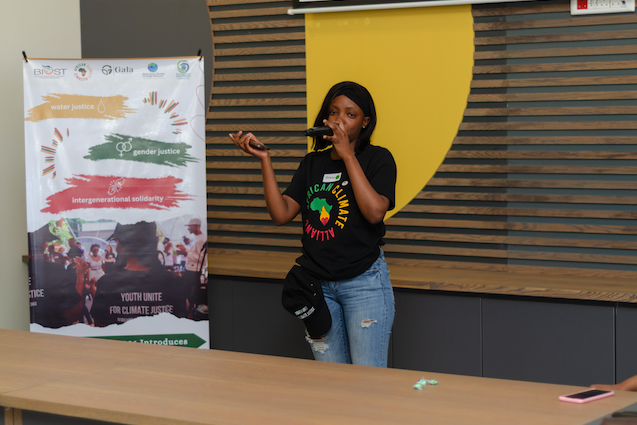
Lead: Anesu Shantel Kahari | Date: 12 September 2026 |Partners: Gaia Collective, Palapye Green Team (Botswana Climate Change Network), Conscientious Eco-Planet Foundation (Youth Climate Council Focal Point), BIUST
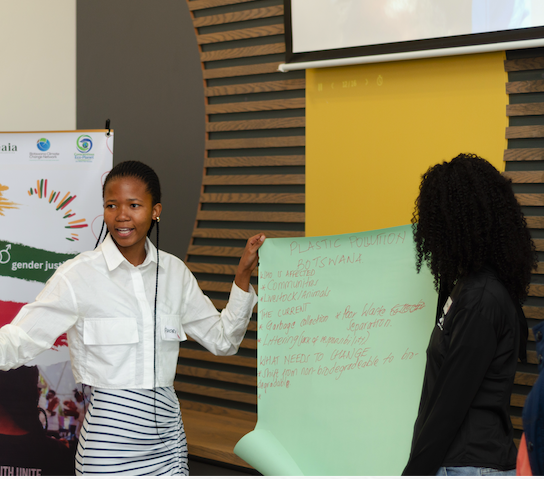
In one of the world's most water-scarce countries, this youth-led Climate Justice Lab brought together university students, facilitators, volunteers and partner representatives to explore water justice, gender justice and intergenerational solidarity. Through dialogue, storytelling and collaborative problem-solving, participants examined how drought, groundwater dependence and inequality shape water access and community resilience.
Participants shared community water challenges, reflected on gendered impacts, discussed youth inclusion in decision-making and developed group solutions to local environmental problems. The event also sparked interest in reviving the BIUST Environmental Club and inspired commitments to awareness-raising, campus environmental activities and advocacy for women and youth participation in climate decisions.
Zimbabwe: Beyond the Tap
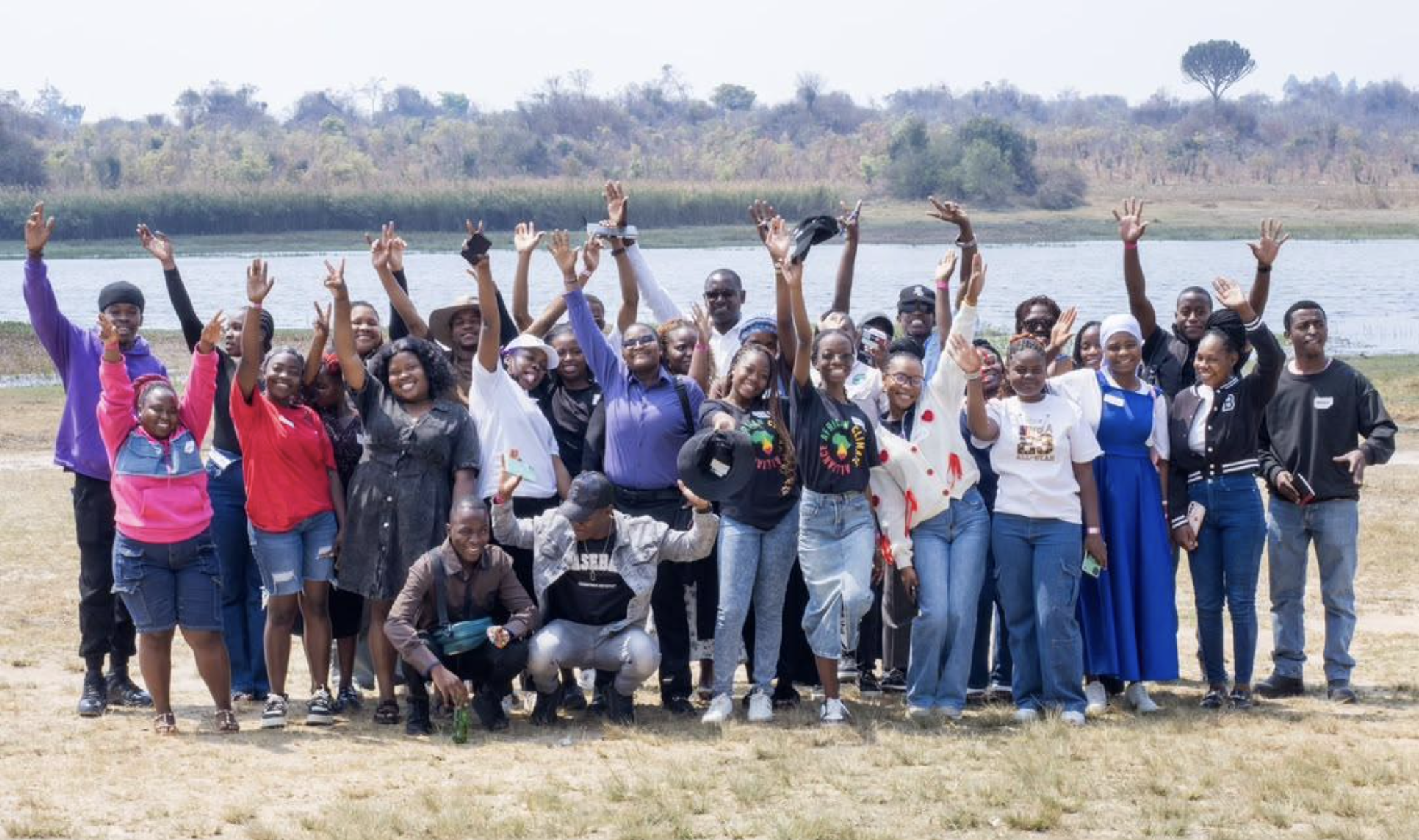
Lead: Wayne Musingwini | Date: 18 September 2026 | Partners: Grey2Green Collective
This youth-led dialogue explored the links between climate change, water security, governance and social equity. Young people, community members and civil society shared lived experiences of water scarcity, examined what drives water insecurity and co-developed recommendations for more equitable, climate-resilient water governance.
Participants described the session as informative, interactive and eye-opening, and asked for more dialogues and greater engagement with local authorities. Although the local authority could not attend, the event built meaningful connections between youth and civil society and laid the groundwork for ongoing water justice advocacy.
Kenya: Growing Resilience from the City to the Coast
Rooted in Resilience (Kayole, Nairobi)
Lead: Veronica Mwende | Date: 18 September 2026 | Partners: Next Gen Youth Agribusiness & Research CBO (NGYAR)
In this practical workshop, junior Secondary School learners picked up practical skills in organic farming, climate resilience and space-efficient food production. The workshop promoted food justice and spatial justice by showing how households and schools can grow vegetables in tight urban spaces using upcycled materials like sacks and jerricans. Learners built multi-story garden towers, planted diverse vegetables and joined a tree-planting activity to green the school.
Planting Resilience (Malindi, Kilifi County)
Lead: Sitesy Aoko | Date: 12 September 2026 | Partners: Afya For Jamii
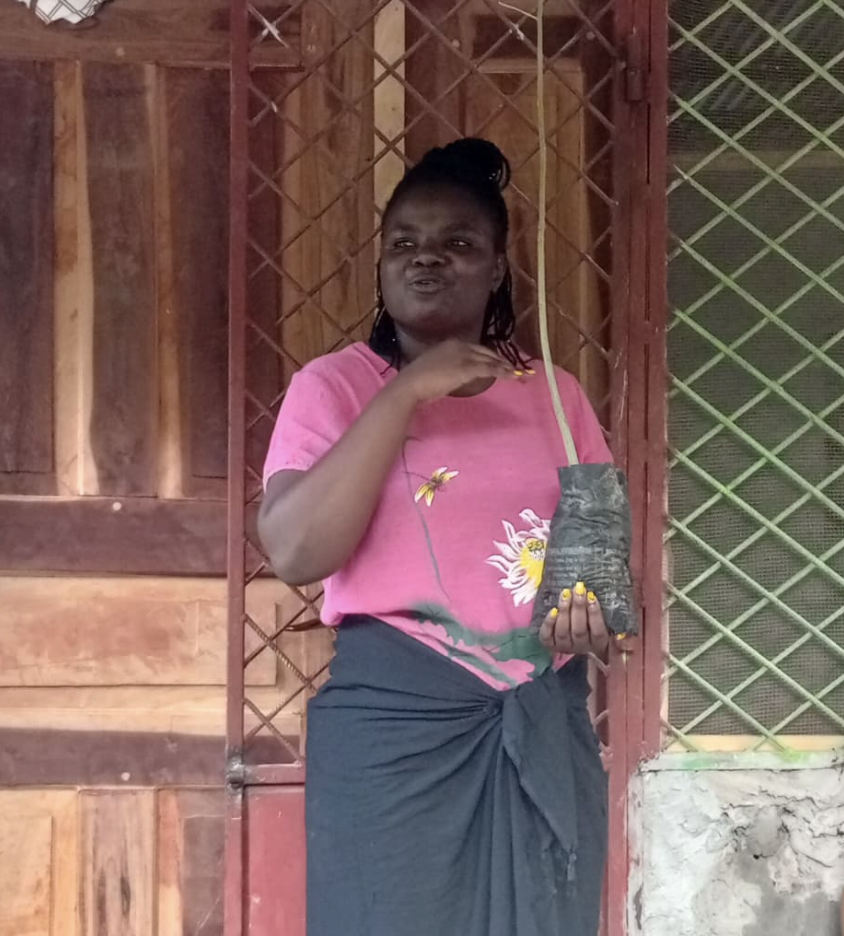
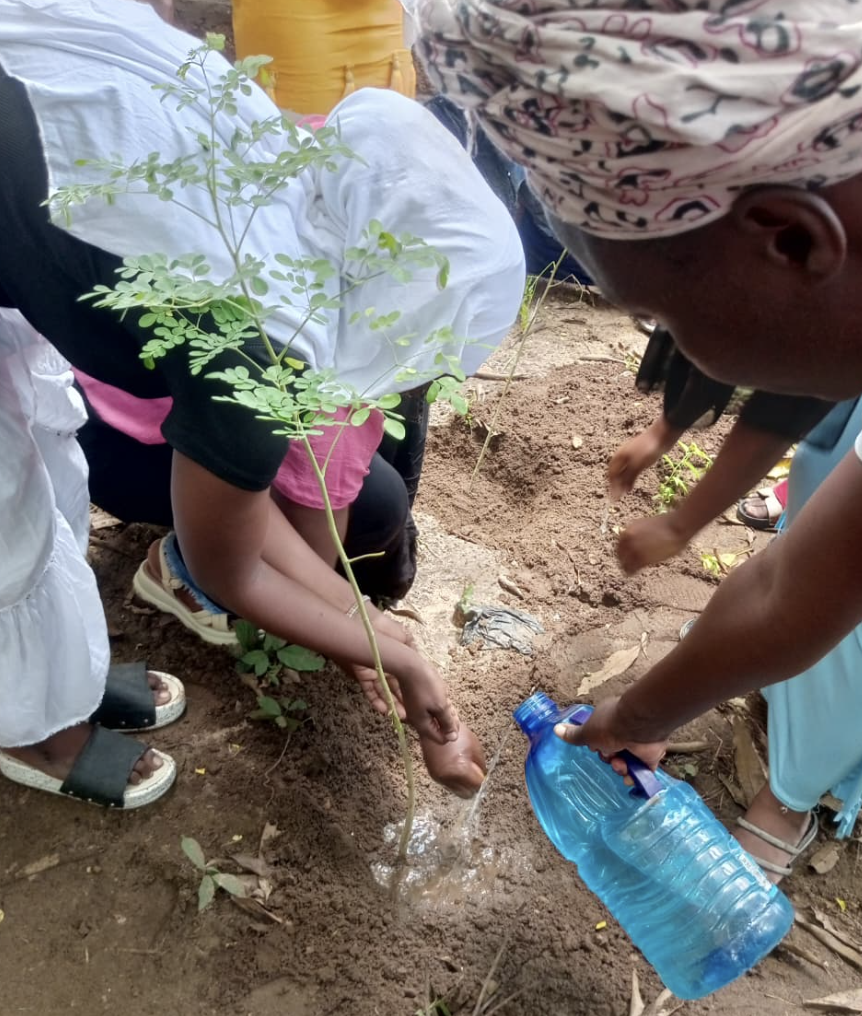
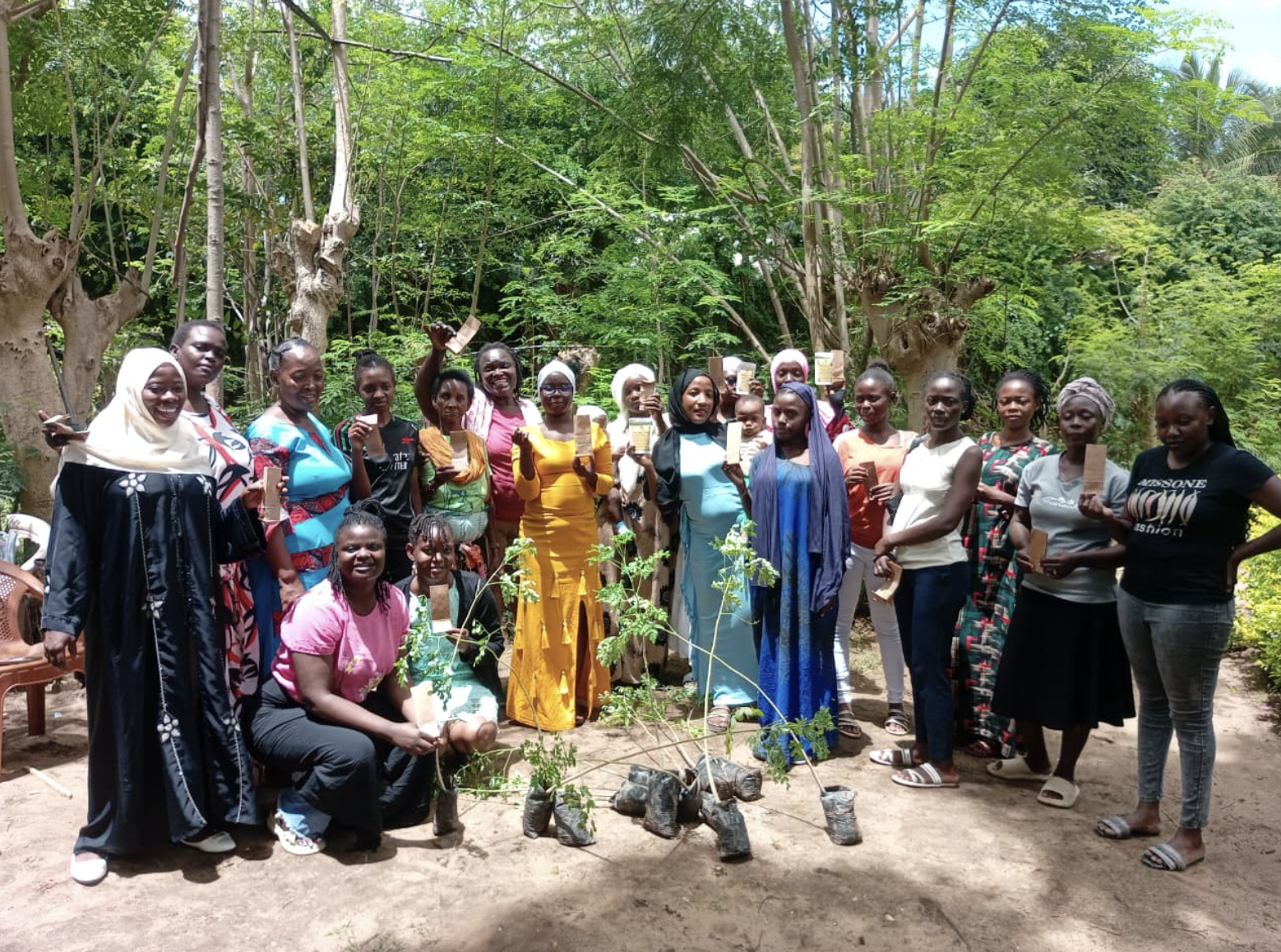
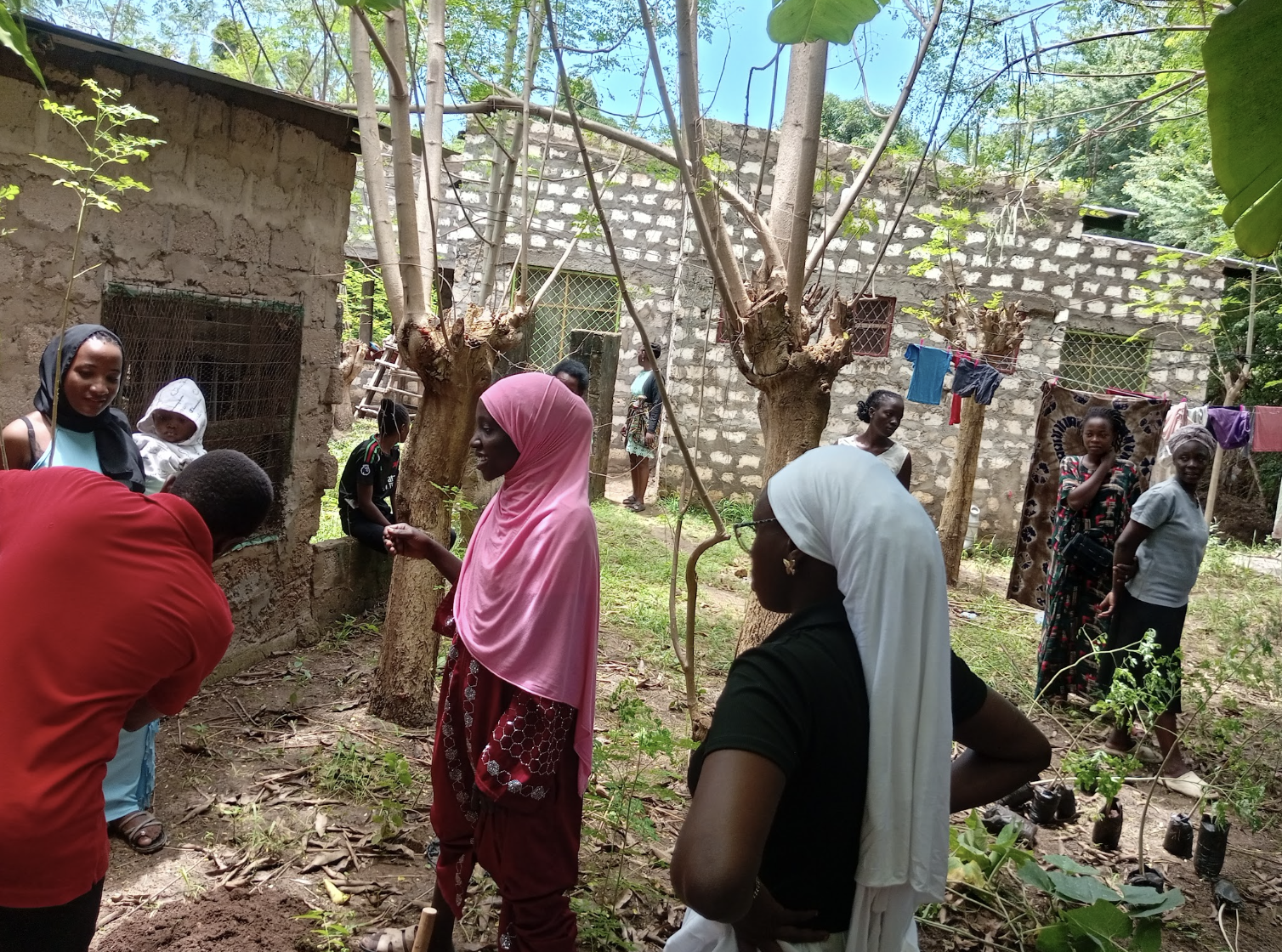
Thirty-eight women and youth gathered to learn how moringa can support climate-resilient livelihoods in a region facing drought, water shortages, extreme heat and crop failure. The workshop covered moringa's nutritional, environmental and income-generating benefits while giving women and youth a safe space to share their climate experiences.
Participants planted 40 seedlings on a community farm and took home 200 seedlings and 50 seeds each to plant at their own homes. Conversations on climate, food and gender justice and intergenerational solidarity ran alongside the planting.
Zambia: Lusaka Energy Justice Workshop
Lead: Theresa Muyaba | Date: 19 September 2026| Partners: Kamulanga Ward 9 community leaders, Jack PHC youth leaders and a local organisation
Community members built practical knowledge of energy challenges and household-level solutions. Two facilitators led a structured, participatory session in which residents discussed energy issues, developed recommendations in groups and presented them together, so the final recommendations reflected the voices of the whole room.
Participants gained confidence in their right to take part in decision-making, produced actionable recommendations for local government and left motivated to engage in civic processes.
Common Threads
Across very different settings, a few themes ran through every event:
Young people are ready to lead. Whether building garden towers or mapping water access, participants showed they have ideas and the energy to act on them.
Climate justice is local. Water, energy, food and gender justice were explored through lived experience, from drought in Palapye to water scarcity in Chitungwiza.
Practical skills spark livelihoods. Be it briquettes, eco-bricks, moringa or urban gardens, all pointed toward possible green opportunities.
Partnerships matter. Schools, community-based organisations, local leaders and youth groups made each event possible.
These eight events show what happens when young people are given the space, tools and trust to lead on climate justice and we are certain that this momentum will continue well into the future!