Quarterly Newsflash: Looking Back on a Quarter of Building Youth-Led Climate Action Communities Across the Region
A 2026 first-quarter newsflash from the African Climate Alliance Team
At the beginning of 2026, we entered the year with a clear understanding that climate justice work could no longer remain isolated within conferences, campaigns, or single-country conversations. Across the continent, young people were demanding deeper political education, stronger networks of solidarity, and greater support to organise within their own communities. This quarter became a reflection of that growing movement.
Over the past few months, our work focused on building the foundations for stronger youth-led climate action across Southern and Eastern Africa. From launching the 5th cohort of the Ambassador Programme and welcoming a new generation of Field Officers, to facilitating workshops on the G20, COP30, mental health, faith-based climate justice, and gender-responsive governance, this quarter was rooted in political education, movement building, and collective action.
What connected these moments was a shared commitment to making climate governance more accessible, participatory, and grounded in lived realities. Whether through community workshops, regional consultations, classrooms, podcasts, or advocacy spaces, we continued working to bridge the gap between global climate politics and the everyday experiences of African youth.
This quarter also reminded us that climate justice movements are strengthened through collaboration. Across our programmes and partnerships, young people moved from participants to facilitators, organisers, educators, and advocates — shaping conversations in their own countries while contributing to a growing regional movement.
As we reflect on the first quarter of 2026, we are reminded that this work is not only about responding to crisis. It is about building power, deepening solidarity, and creating the conditions for young people across Africa to shape the futures they deserve.
Here is a look back at some of the work, reflections, and milestones that shaped our quarter.
Ambassador Programme Launch
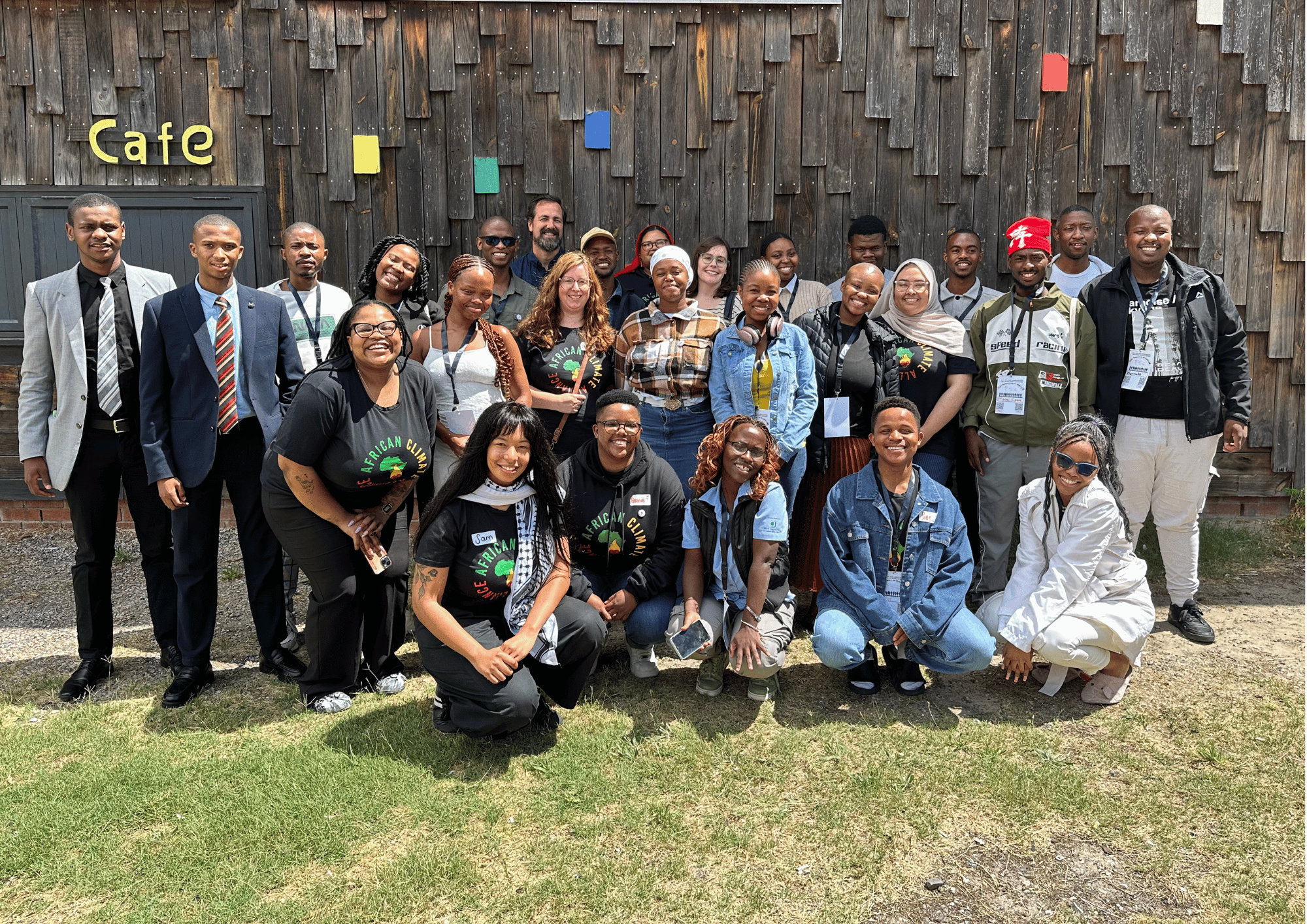
The launch of the 5th cohort of the ACA Ambassador Programme marked a significant moment of growth for the organisation, with a record 952 applications received — nearly a 200% increase from the previous cohort. Following a highly competitive selection process supported by team members, 36 ambassadors were selected from South Africa, Malawi, Zambia, Zimbabwe, and Kenya to form the 2026 cohort.
This cohort introduced a newly structured curriculum divided into four progressive “Schools”: Climate Education, Project Management, Movement Building, and Communications. Each school runs over a quarter, combining asynchronous learning on Google Classroom with monthly live experiential workshops on Zoom. The approach integrates pre-recorded content, curated learning resources, quizzes, assignments, and reflective prompts to support continuous learning and engagement.
The Climate Education School, which launched first, laid the foundation for the programme through an Africa-centred curriculum exploring climate science, environmental history, political economy, and the intersection of power, culture, and knowledge in climate justice. Together, these modules were designed to move participants through a structured learning journey that deepens both understanding and practical capacity for climate justice work.
From Ambassadors to Anchors: Welcoming Our Field Officers
As the Ambassador Programme grows, so does its ecosystem of leadership. This year marks a key transition in ACA’s long-term vision: moving from developing participants to cultivating leaders who carry the work beyond the programme and into their own communities.
We are proud to welcome a new cohort of Field Officers, selected from within the Ambassador Programme. These young leaders have moved through ACA’s training, mentorship, and community-building journey, and now step into roles grounded in a deep understanding of the organisation’s values and approach to climate justice.
As national anchors, Field Officers will support programme delivery, youth mobilisation, education, advocacy coordination, and monitoring and evaluation across their respective countries. Working closely with the central team, they will help strengthen local ecosystems of young climate leaders while keeping the movement connected across the region.
This transition reflects a full-circle journey — from learning to leadership, and from participation to implementation — signalling a maturing programme increasingly sustained by the young people it was built to support.

Post-G20 & COP30 Educational Series: Reflection
In response to the outcomes of the G20 in Johannesburg and COP30 in Brazil, African Climate Alliance designed and led a two-part hybrid workshop series to bridge global climate governance with local youth advocacy. The series brought together 107 registered participants, with 48 attending across both sessions — held in-person on 14 February at Guga S’thebe in KwaLanga and online on 12 March via Zoom. Participants, aged 18–35, joined from across Southern and Eastern Africa, creating a diverse, cross-regional space for engagement and learning.
The workshops focused on demystifying global climate processes and unpacking how decisions on climate finance, energy transitions, and adaptation directly impact African frontline communities. Participants moved from a largely abstract understanding of the G20 and COP30 to a more critical and grounded analysis of their implications. Pre-workshop self-assessments averaged between 2–3 out of 5, increasing to 4–5 out of 5 post-workshop across all respondents, reflecting a significant shift in confidence and understanding.
Beyond knowledge-building, the series created space for action-oriented engagement. Through group exercises, youth leaders developed localised advocacy roadmaps, identifying concrete entry points for influencing government, mobilising communities, and addressing gaps between policy and lived realities. The discussions and outputs from the workshops are now informing a co-created knowledge product that will synthesise youth perspectives into actionable policy recommendations, strengthening ongoing efforts to build informed, organised, and impactful youth-led climate advocacy across the continent.
OHCHR Consultation Series – “Rooting Rights and Resilience”: Reflection
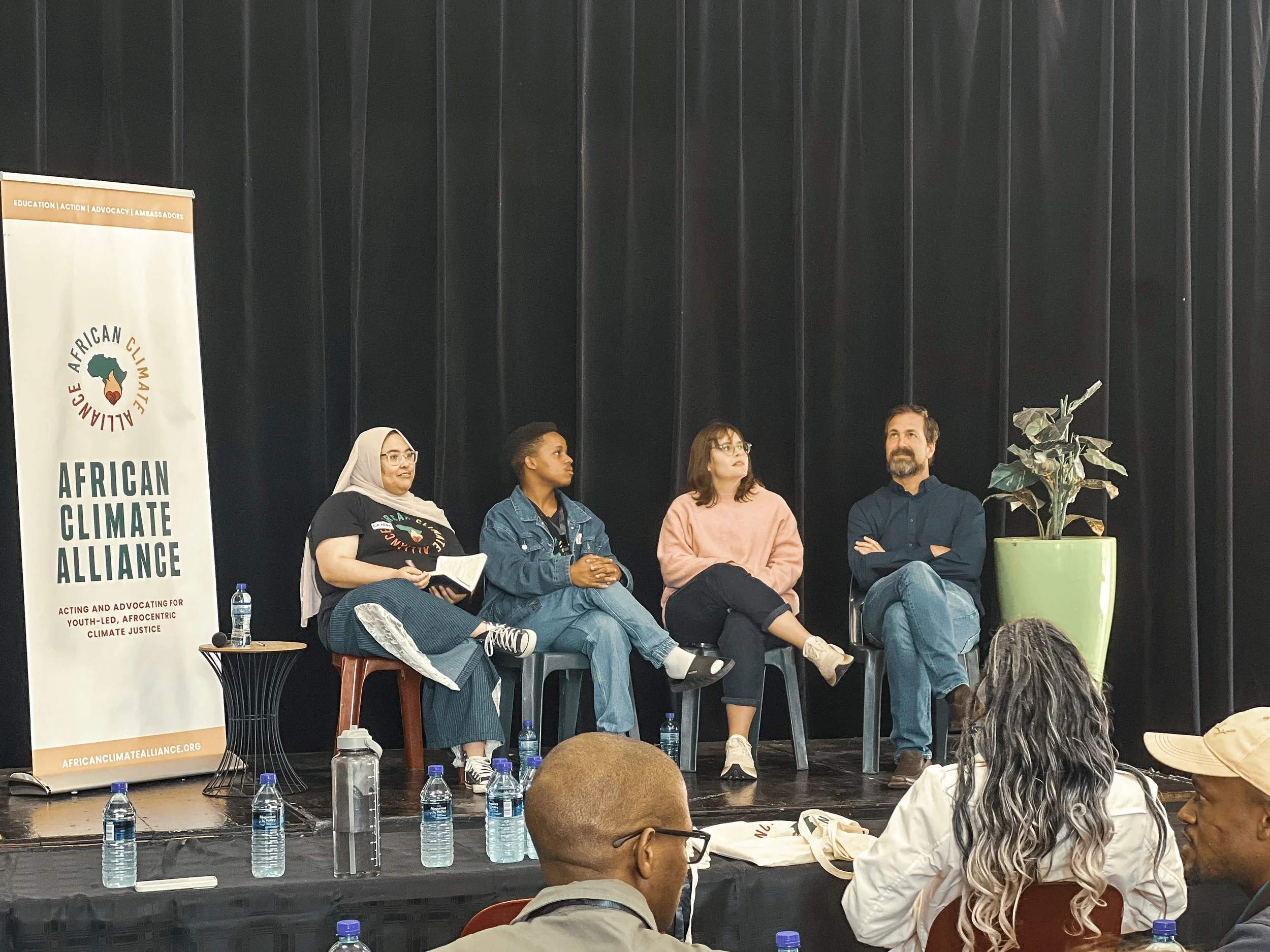
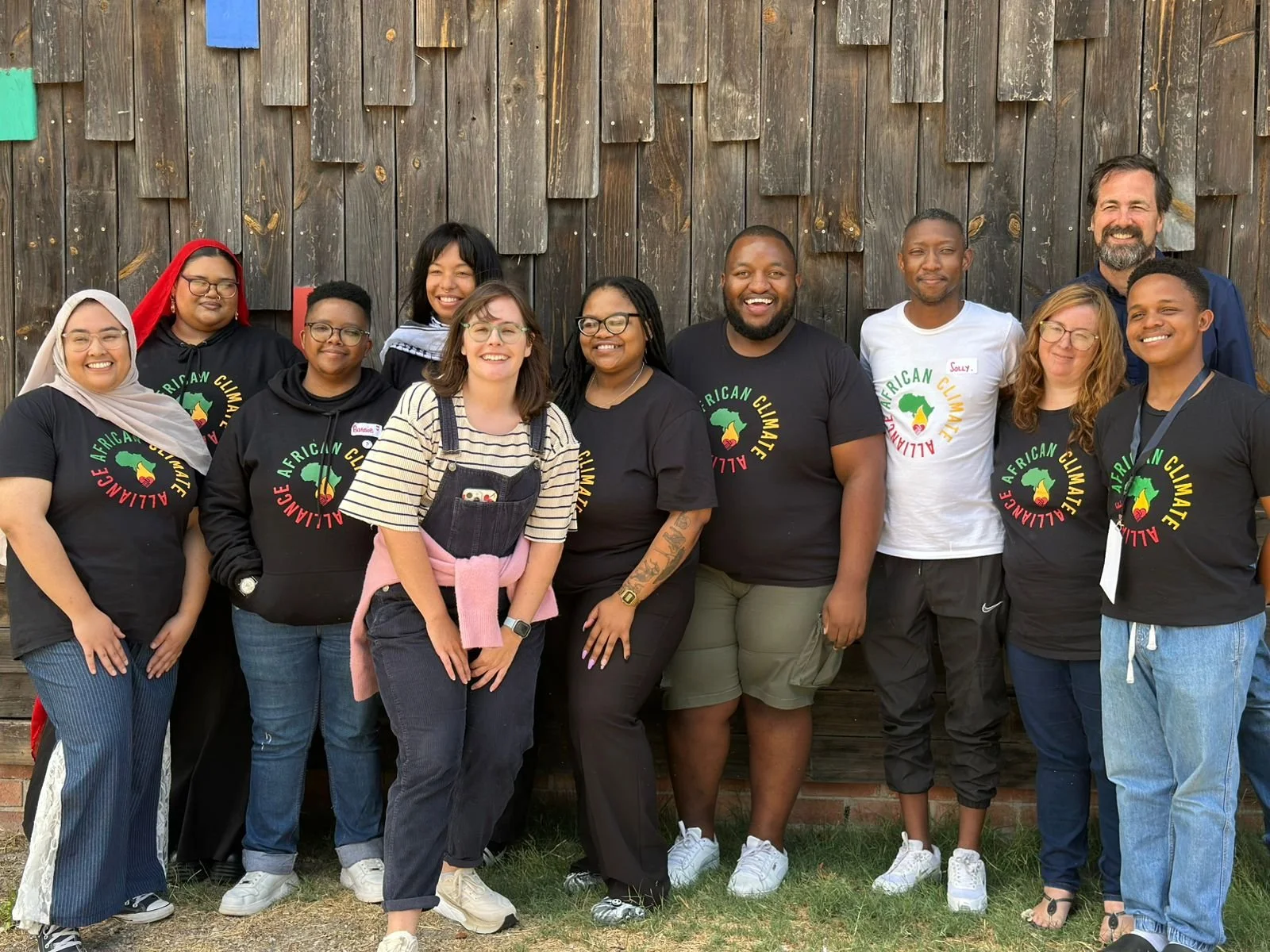
In March 2026, we convened the “Rooting Rights and Resilience” Digital Indaba series as part of the OHCHR’s global consultation on mental health and the rights of young people. Across two online sessions (10–11 March), 55 young people aged 12–35 from seven African countries came together to centre youth perspectives at the intersection of climate change, air quality, and mental health. The discussions were enriched by an all-women panel of four experts from across the continent, grounding global human rights conversations in lived experience and Afrocentric approaches to healing.
Participants moved from sharing experiences to critically engaging how climate-induced psychological harm — including eco-anxiety, ecological grief, and advocacy burnout — is often overlooked in policy spaces. Through collaborative processes, they co-developed five policy recommendations for the OHCHR, framing these impacts as measurable human rights concerns requiring accountability.
A youth drafting team of four finalised and submitted these recommendations ahead of the deadline. The submission has been received and will inform the OHCHR’s September 2026 session. This work was further supported by the development of a “Climate Justice Policy and Advocacy Tools” resource and a lecture through the Gender and Climate Justice Academy, strengthening youth capacity to engage in climate and human rights advocacy.
SALGA SDG Youth and Stakeholder Workshop: Reflection
From 11–13 March 2026, we participated in the South African Local Government Association’s (SALGA) Sustainable Development Goals (SDG) Youth and Stakeholder Workshop – Post G20, which brought together over 100 participants from government, civil society, academia, the private sector, and youth organisations. Under the theme Local Action for Global Impact, the workshop created space to reflect on G20 outcomes and explore how the SDGs can be advanced through local action. ACA played an active role in the lead-up to the workshop and ensured strong youth representation, with 27 participants from the ACA Youth Network.
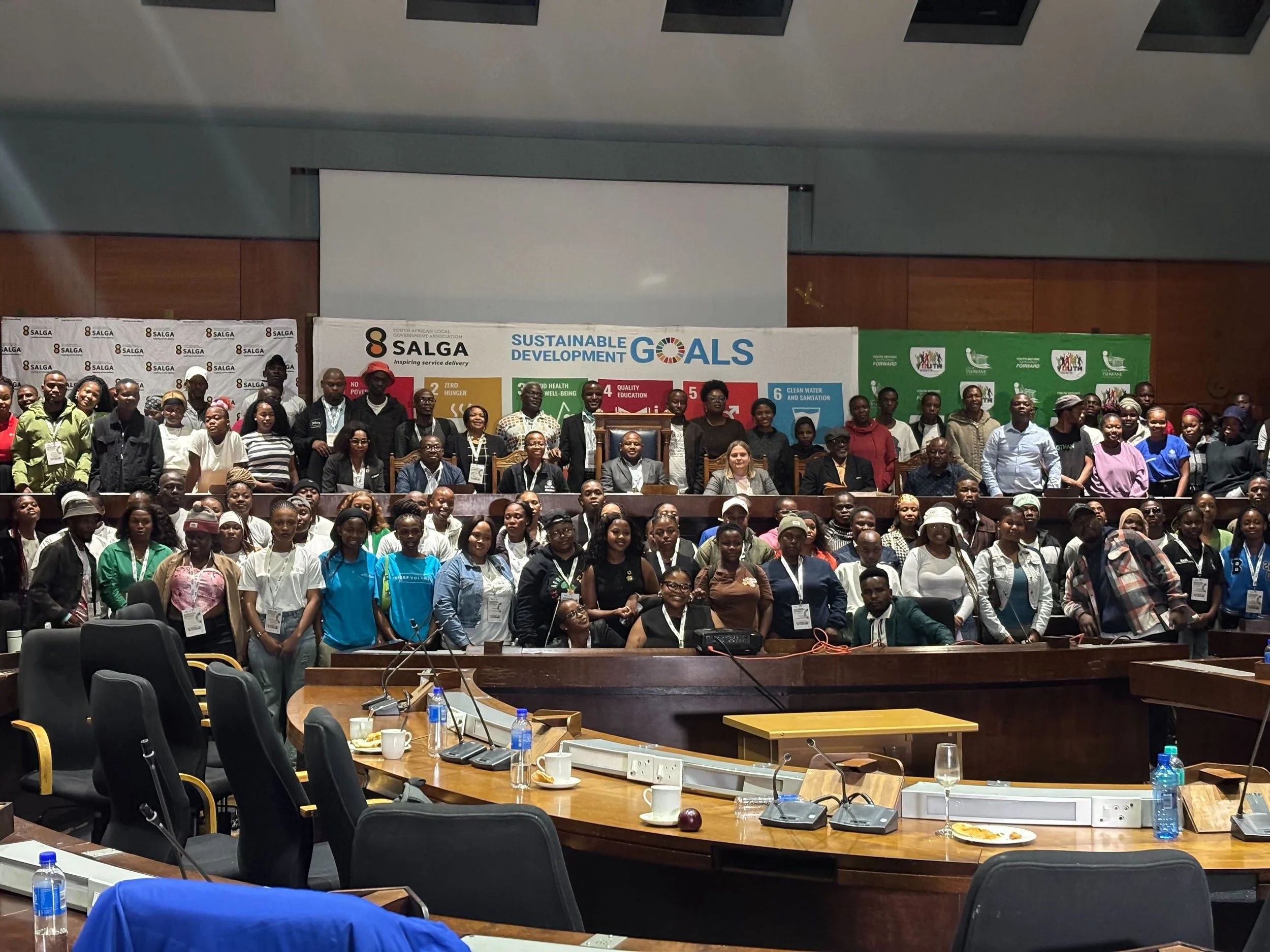
While the workshop enabled important dialogue and connections between global frameworks and local realities, the largely formal structure of sessions at times limited meaningful youth participation.
ACA’s key contribution came through facilitating the session “Youth Power for Climate Action: Partnerships that Make a Difference (SDG 13 & 17)”, which introduced a more interactive and youth-centred approach. The session linked global commitments to lived realities, emphasised the importance of partnerships, and created space for active youth engagement, demonstrating the value of participatory approaches in multi-stakeholder processes.
MCSA Environmental Desk Launch
On 6 March 2026, we co-facilitated the launch and strategic planning workshop for the Methodist Church of Southern Africa (MCSA) Environmental Desk alongside Green Anglicans. Held in Mogale City, the participatory, faith-rooted session brought together church leaders, youth, and lay representatives to respond to escalating environmental and climate challenges affecting communities across the region.
Through collaborative exercises, participants identified key environmental issues, analysed their root causes, and reflected on the Church’s role in advancing environmental justice. The workshop resulted in the co-development of priority areas for the Environmental Desk, including strategic pillars and a draft action plan.
The session marked an important step in embedding climate justice within the Church’s mission, strengthening its capacity to support community resilience, mobilise its network, and advocate for systemic change.
GenderLinks Lecture: Climate Justice Policy and Advocacy Tools
As part of the Gender and Climate Justice Academy, we contributed to the “Climate Justice Policy and Advocacy Tools” module through a lecture aimed at equipping participants with practical skills to influence climate policy and advance gender justice in environmental governance. The session translated complex ideas around climate governance, stakeholder engagement, and policy analysis into accessible tools that young people and advocates can use in their own contexts.
The lecture drew on key themes from the module, including climate governance in Africa, the importance of meaningful participation, and the role of intersectionality, Ubuntu, and justice-based frameworks in shaping equitable responses to the climate crisis. It emphasised that climate policy is not neutral, but shaped by power, and that effective advocacy requires both technical understanding and lived experience.
Participants were introduced to practical approaches for climate justice campaigning and stakeholder engagement, including how to design advocacy strategies, map power, and build impactful campaigns rooted in community realities. The session reinforced the importance of moving from awareness to action, equipping learners with tools to engage decision-makers and push for more inclusive, gender-responsive climate governance across local, national, and global spaces.
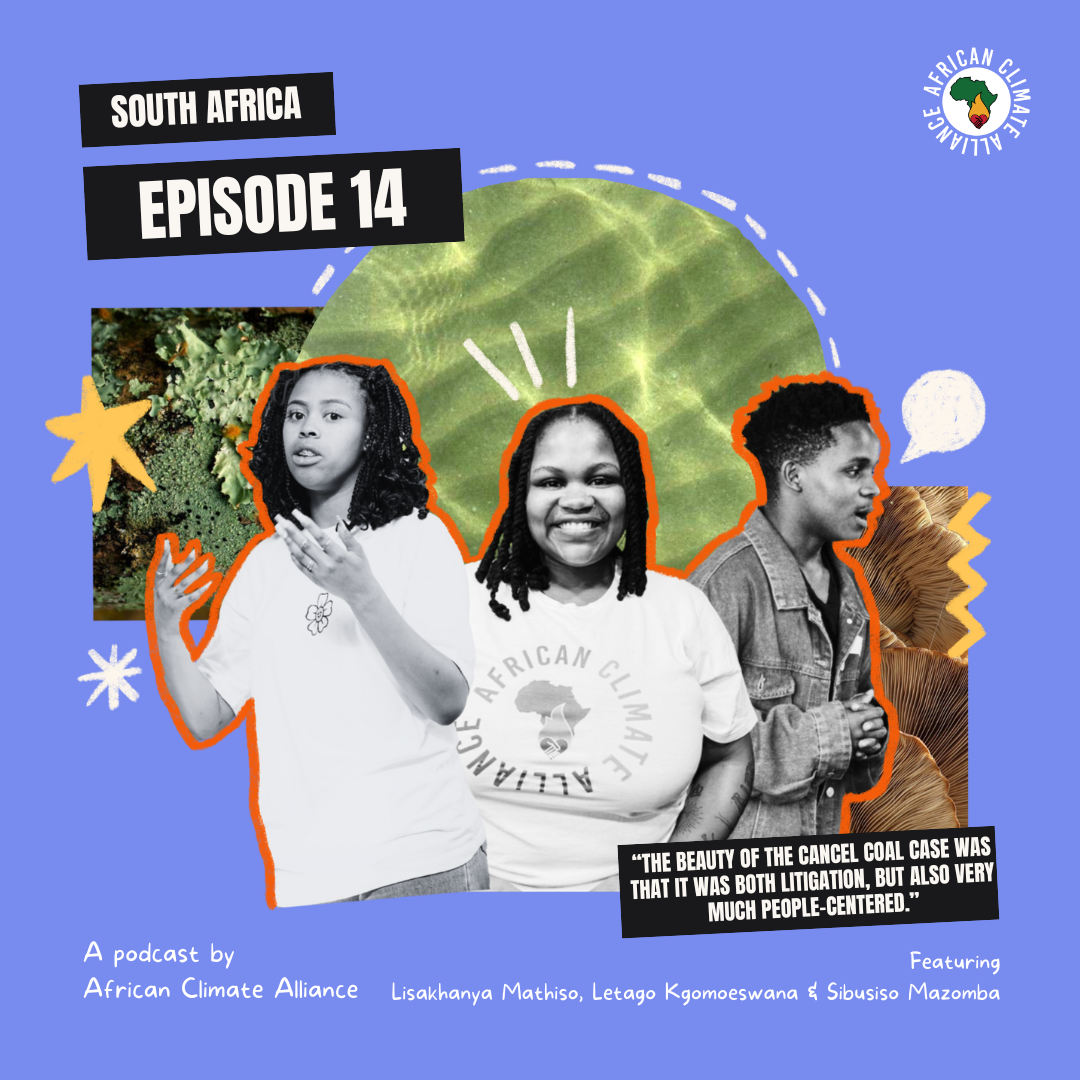
Taking Coal to Court: The Youth Behind #CancelCoal
In this episode, we return to South Africa and the #CancelCoal campaign, where young activists used litigation, storytelling, and collective organising to challenge government plans for new coal-fired power. Through the voices of Letago, Sibusiso, and Lisakhanya from the African Climate Alliance, alongside Mitchelle Sithole of the Centre for Environmental Rights, the episode follows how legal strategy and community testimony came together in a landmark case that was won in the Pretoria High Court — and is now facing appeal.
What emerges is a story of climate justice being fought on multiple fronts: in courtrooms, in communities, and through public narrative. It shows how young people are not only responding to climate decisions, but actively reshaping how those decisions are made and contested.
As with the rest of Season 3, this episode reflects a broader truth running through the series: climate stories are never only about climate. They are about power, inequality, and the futures young people are refusing to surrender across Zimbabwe, South Africa, Malawi, Zambia, and Kenya.
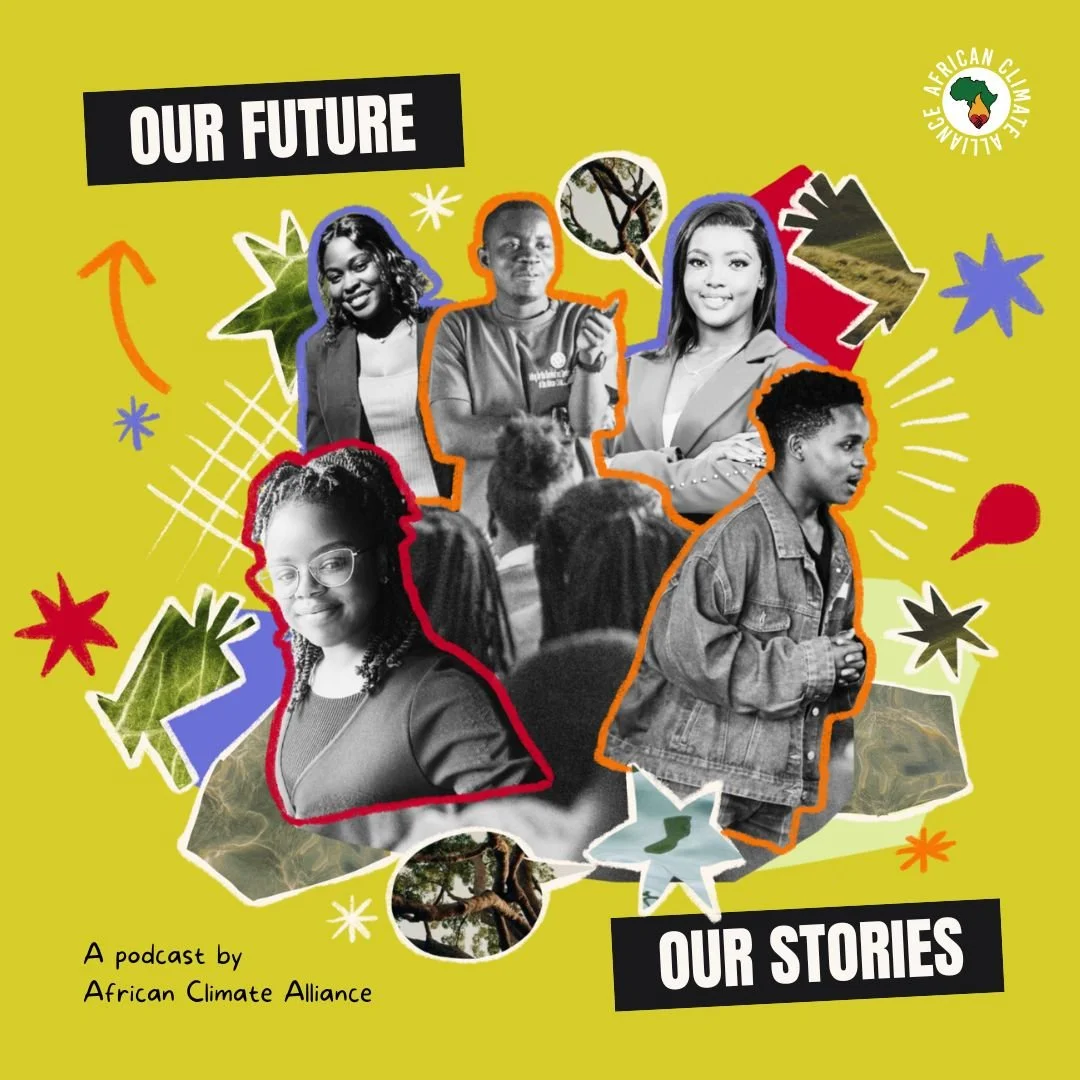
Listen to the podcast here.