Quarterly Newsflash: Looking Back on a Year of Building Youth-Led Climate Action Communities Across the Region
A 2025 fourth-quarter newsflash from the African Climate Alliance Team
At the beginning of this year, our team gathered for a strategy session to set our intentions and vision for the months ahead. Across all the ideas shared, one golden thread emerged: we were certain that 2025 would be the year of collaboration. Now, looking back, this could not have been truer.
Six years ago, African Climate Alliance was born in South Africa when a group of young people looked around and realised the world was changing. The rain didn't fall like it used to. Crops weren't growing the way their grandparents remembered. The air felt heavier in the cities, and the heat was becoming unbearable.
The more we connected with other young people, the clearer it became that this wasn't just a South African experience. Youth across the continent shared these realities.
So we kicked off the year with a bold ambition to expand our work regionally and dream big. This wasn't merely an internal vision, but a direct response to the young people we serve. Over the years, we've heard the calls from youth in our networks asking to join our work — young people seeking community, mentorship, connection, and the knowledge and resources to create change in their own contexts.
But we knew this work of deepening and expanding couldn't be done alone. Collaboration was essential. This year, working primarily across South Africa, Kenya, Malawi, Zimbabwe, and Zambia, we partnered with over 30 organisations, hosted more than 70 events, convened youth-led Solidarity Gatherings, led Climate Week events across the region, represented youth demands in NDC processes, submitted policy consultations, and carried the dreams of African youth to COP30.
None of this would have been possible without our belief in the power of collaboration. We've trained and trusted our youth network and Ambassadors to understand their communities' needs while providing the resources and support they need to take context-specific action. We've joined forces with aligned organisations to show how climate change connects to other systemic issues. And our team has tirelessly advocated for youth representation at every turn — from public participation processes to global stages.
While the numbers are impressive, the depth of our work matters most. What we're proudest of is the slow but steady shift in the narrative that the climate crisis is a human rights crisis threatening the futures of African youth. We are reclaiming our seat at the table in the spaces where our voices need to be heard most.
This year has shown us that African Climate Alliance is more than a climate organisation. We build networks that propel a movement led by youth across Africa who understand that climate justice, environmental justice, and social justice are threads in the same story.
As we approach our annual break before deepening our work in 2026, here's a brief look at what we've been up to in October, November, and December:
Deep diving into loss and damage in Africa
Knowing that a big focus of COP30 would be ‘loss and damage’, we focused our educational efforts this quarter on deepening knowledge about what this really means – and how it affects us.
We hosted two online workshops, and one in-person workshop in Johannesburg, to unpack how climate disasters are transforming African lives from floods, droughts and displacement, to the erosion of cultural heritage and identity. And we looked at how marginalised communities navigate these crises, and how lived experience and storytelling are shaping powerful advocacy for climate justice.
Hosting our first-ever Loss & Damage Assembly ahead of COP30
To build on our educational work on loss and damage, we hosted our first-ever Loss & Damage Assembly. Held in Alexandra Township under the banner #FromLossToAction, this convening brought together 20 youth advocates to transform lived experiences into unified policy priorities and creative campaign content ahead of COP30. The event deepened trust, strengthened collective analysis, and generated authentic storytelling assets that amplify frontline voices.
Hosting a Solidarity Gathering for African youth on a global stage at COP30
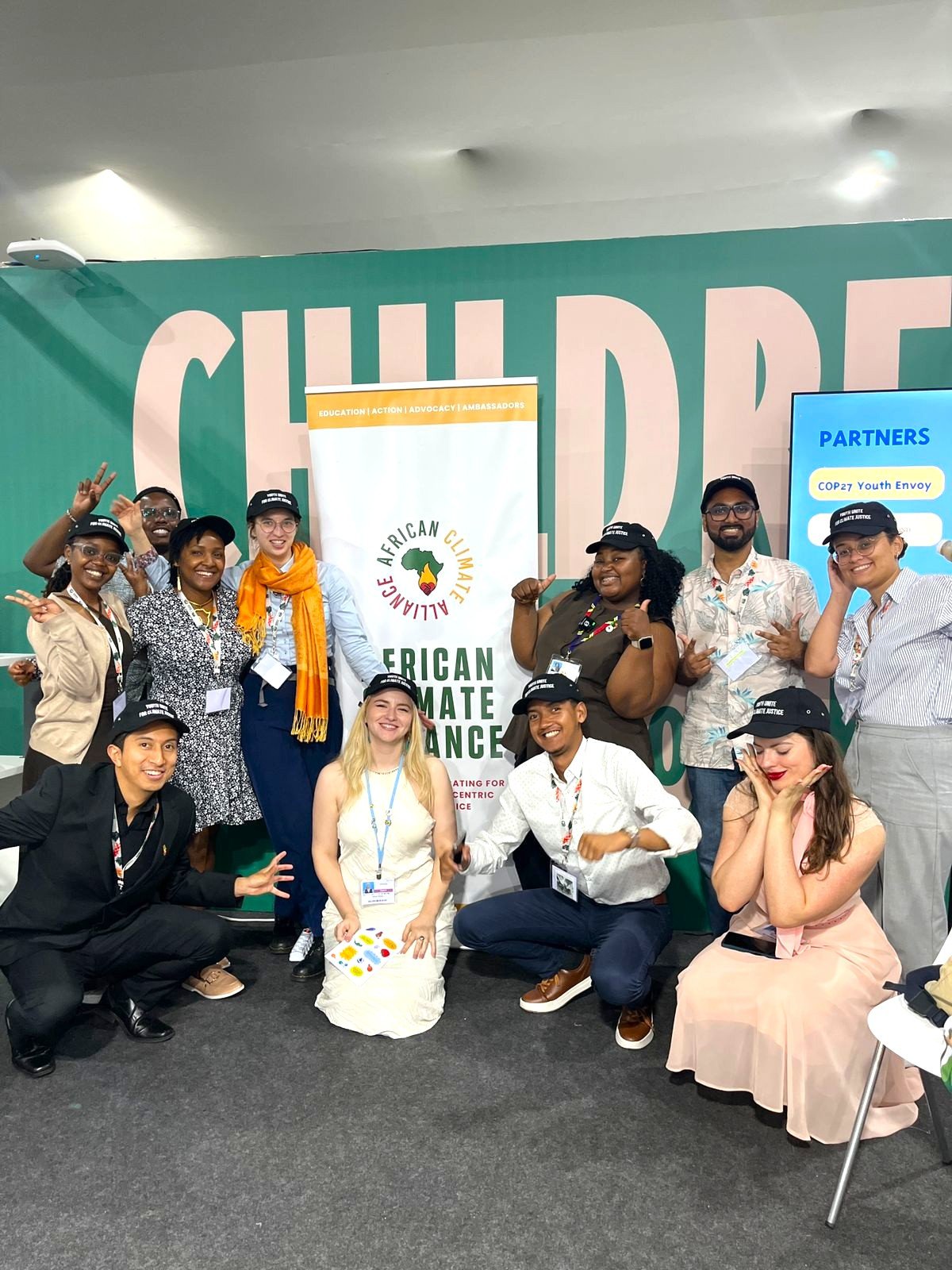
We know that COP is a contested space, but this year we attended COP30 in Belém, Brazil, with a clear mandate: to amplify the demands of African youth.
We believe that climate action must be ambitious, but it must also be just. That means finance that is accessible, technology that is shared, capacity that is built locally, and solutions that do not reproduce inequality or extraction.
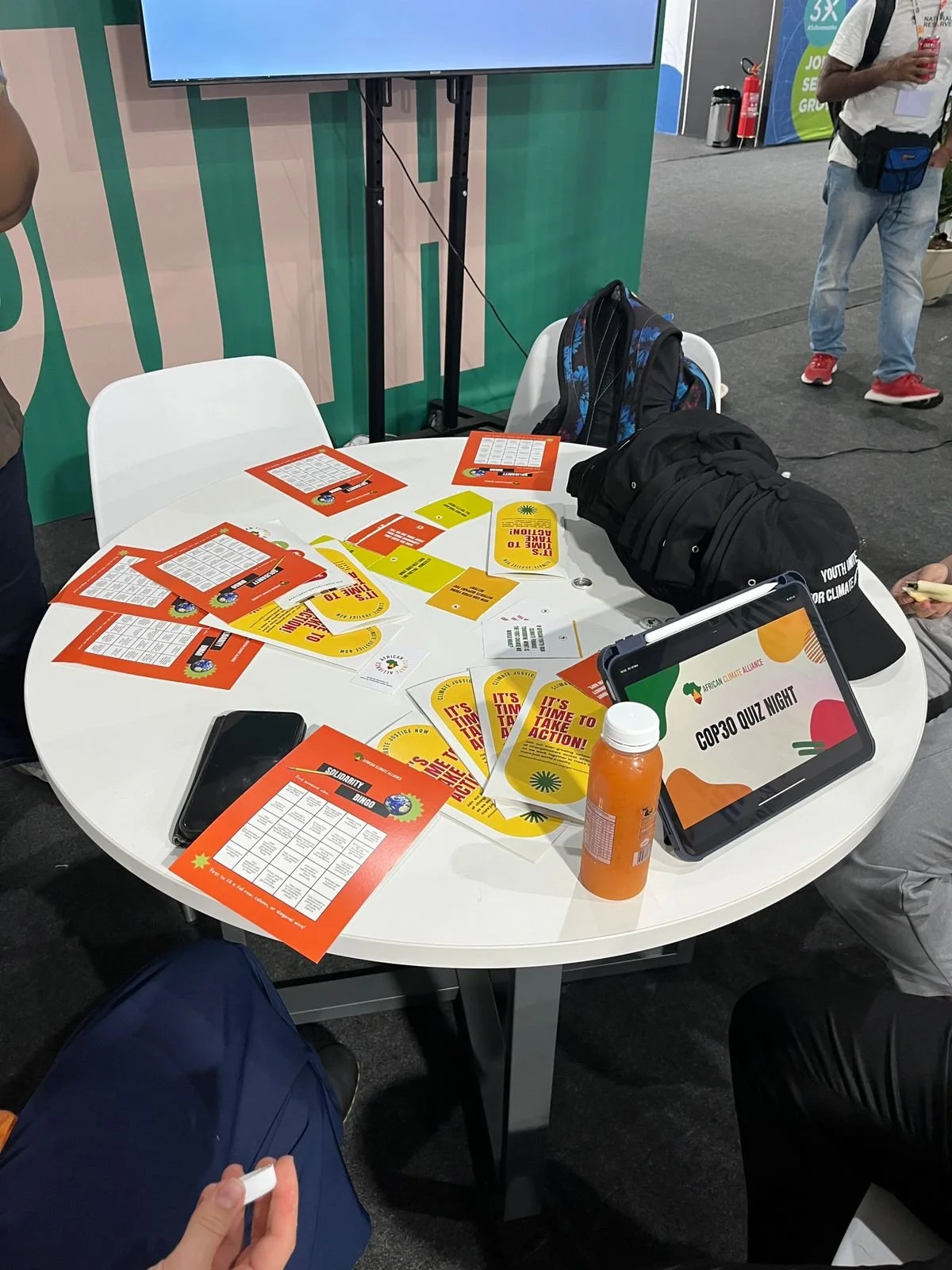
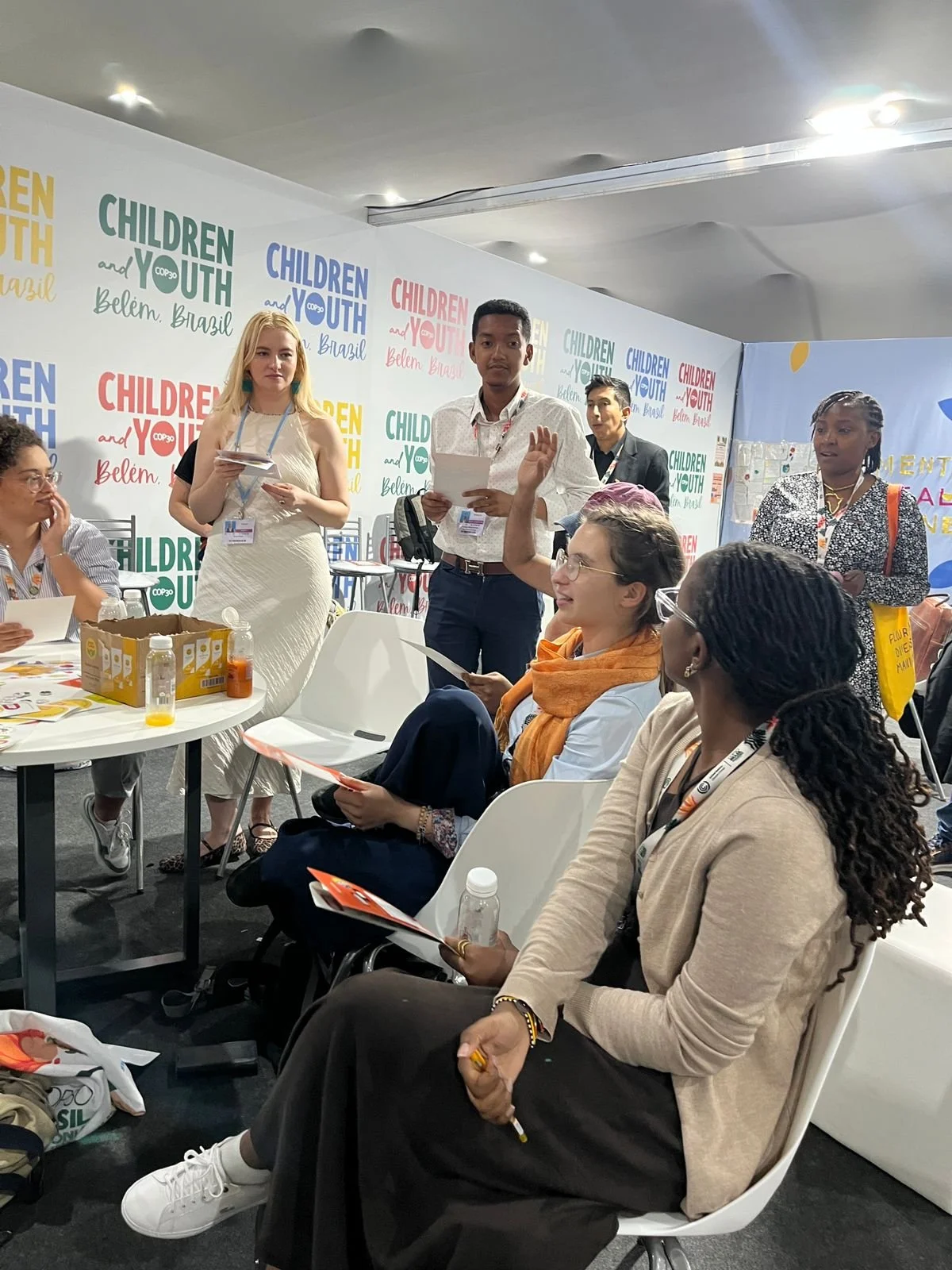
We attended COP to meet with other young African changemakers and strengthen the movement. This year, we have been hosting Solidarity Gatherings across the continent — spaces for young climate organisers to connect, care for each other, share stories, and build the trust that sustains long-term climate justice work. We decided to bring this energy to COP30 by hosting a Solidarity Gathering for African Youth at the official Children & Youth Pavilion.
The Gathering was our reminder to pause, to breathe, to celebrate youth-led wins, share organising strategies, and to hold each other, because this is what sustains movements.
Updating our climate literacy resource library
Our library of downloadable poster resources has been growing! In the past few months, we added two resources. The first is on understanding loss and damage (available in English, Zulu, and Sesotho). The second is on energy ownership and a people-centred just transition. The aim of this library is that young people can download and print these posters, put them up in schools, community halls, or their own homes to help them spread awareness and understanding of climate justice nuances.
Browse our resource library here.
Policy Influence in South Africa’s 2025 NDCs
Through coordinated advocacy, including the ACA’s formal submission and the national children and youth consultation co-hosted with UNICEF, we successfully secured critical youth- and child-sensitive language in South Africa’s final Second NDC. Key wins include the inclusion of a dedicated Loss and Damage section, explicit recognition of non-economic losses — including cultural heritage and mental health — and a commitment to age- and gender-disaggregated climate data, which are direct reflections of our movement’s evidence-based demands. This marks a meaningful shift from token inclusion toward institutionalised intergenerational equity in national climate planning.
Impressing on the G20 Summit that if youth aren’t central in shaping the just transition, it’s not just
Ahead of the G20 Summit, our Advocacy Coordinator co-authored an op-ed where we argued that despite landmark legal victories affirming youth rights in climate decisions — including the Deadly Air and Cancel Coal cases — young people and communities remain systematically excluded from energy policy-making.
Procedural justice must not be the elephant in every decision-making room, and we must ask: are youth, youth with disabilities, women and informal workers present? Are they resourced to engage? Are their rights, and the rights of future generations, being weighed in every decision?
Read the full op-ed here.
Emphasising that our stories must shape our futures in Season 3 of the ACA podcast

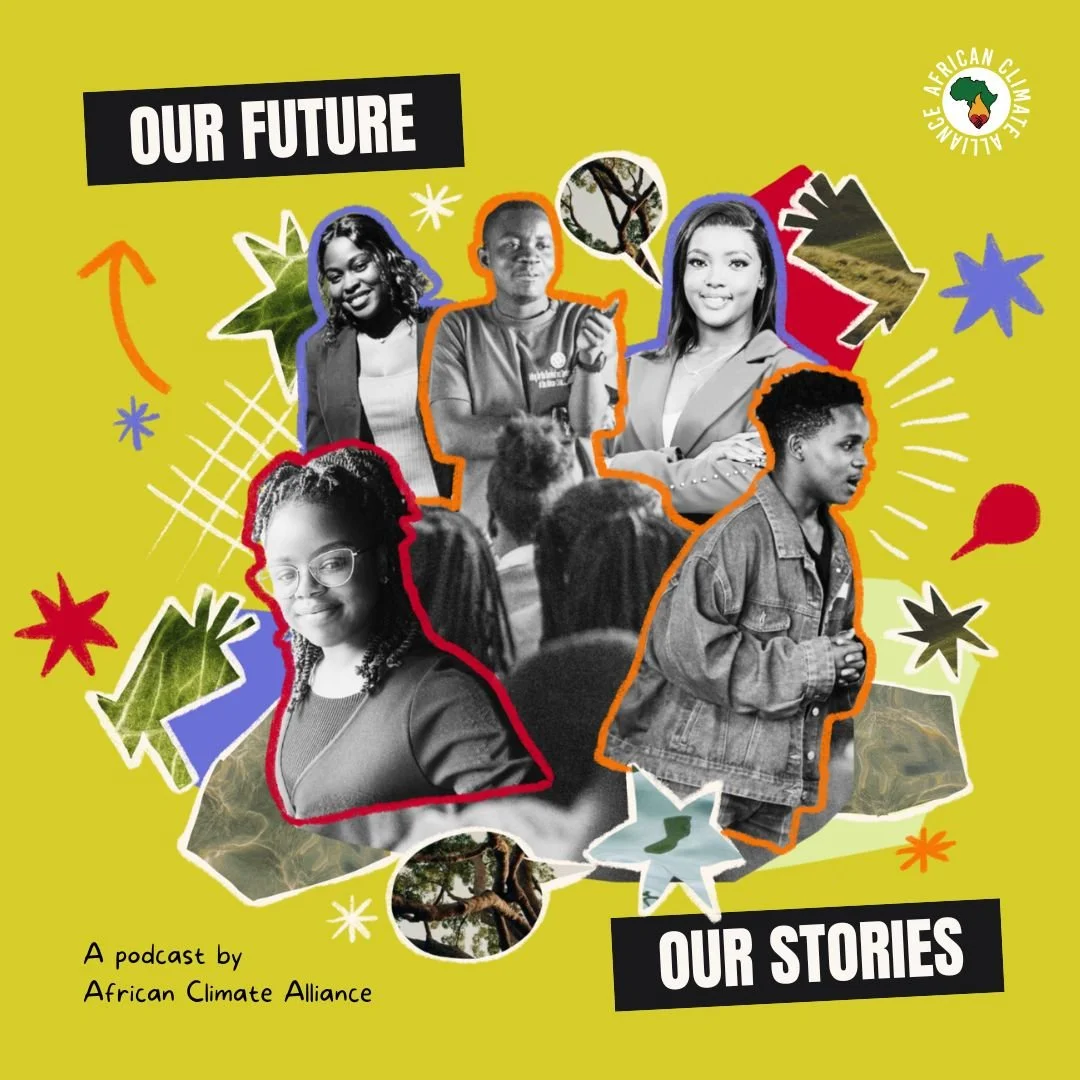

The African Climate Alliance Podcast is back for its third season, and this one is all about listening to the real stories behind Africa’s youth climate movement.
This season is anchored around the stories of previous cohorts of African Climate Alliance Ambassadors across 5 African countries: Zimbabwe, South Africa, Malawi, Zambia, and Kenya. Through their experiences, we explore what climate justice looks like in Africa and what it will take to achieve it.
The lesson? Climate stories aren't always stories about the climate. They are stories about how a rapidly changing world affects our daily lives and decisions. The season aims to humanise the climate crisis beyond what we know to what we should feel, emphasising that complex problems require creative solutions.
To celebrate the launch of Season 3, we hosted a Listening Party in Collaboration with Radio Workshop. Over 30 people joined us for an intimate gathering that brought together two podcast episodes — one from African Climate Alliance’s new season, and one from Radio Workshop — both centring youth voices and prompting critical thought about the solutions we need to address the biggest problems of our time.
Listen to the podcast here.
Celebrating young climate leaders who have hosted community actions to shift our understanding of the crisis
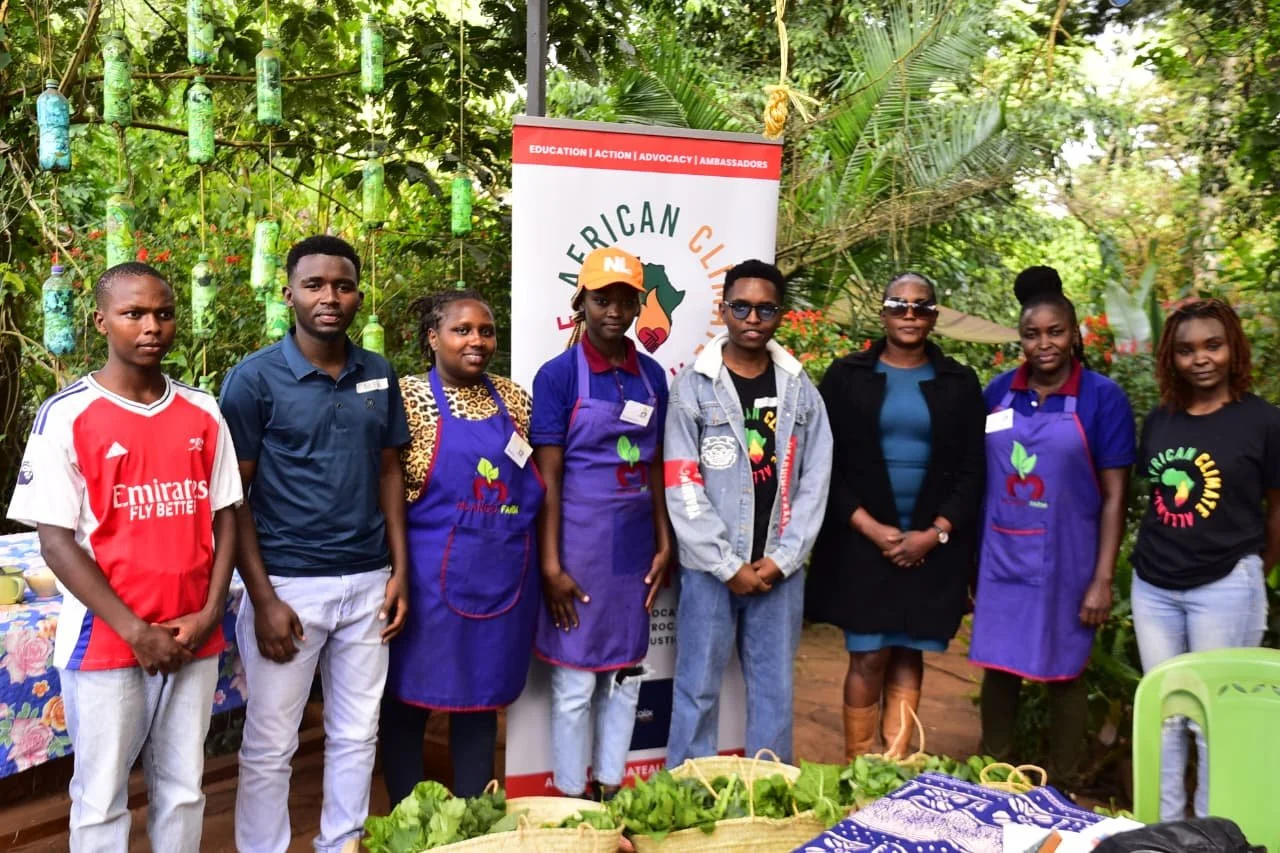
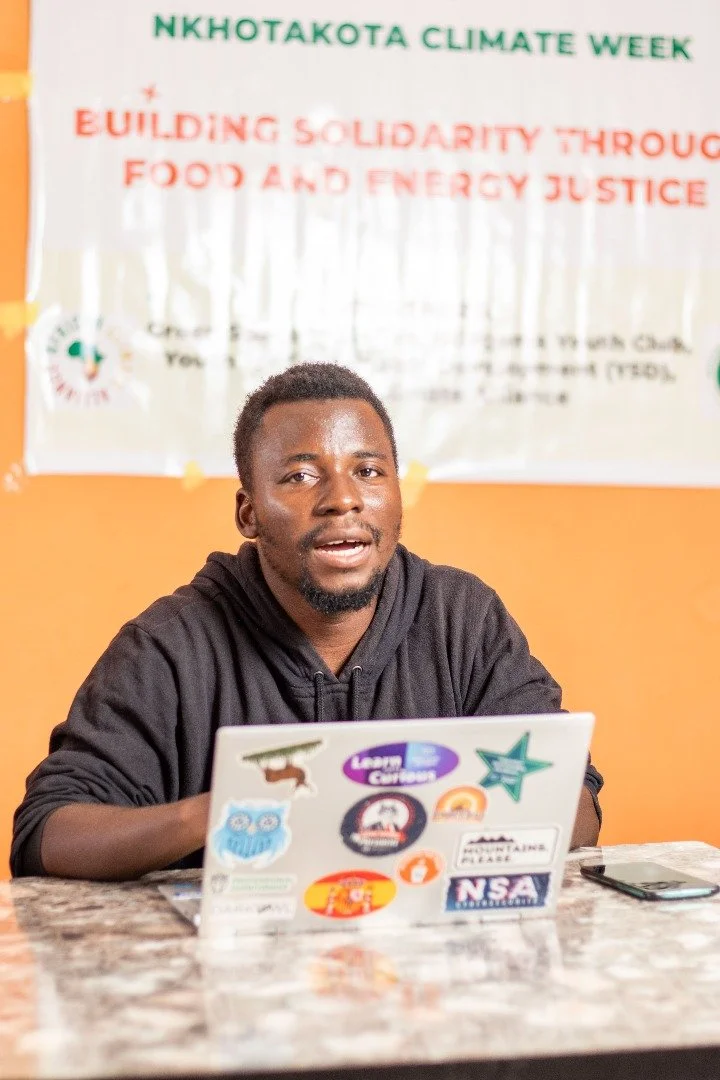
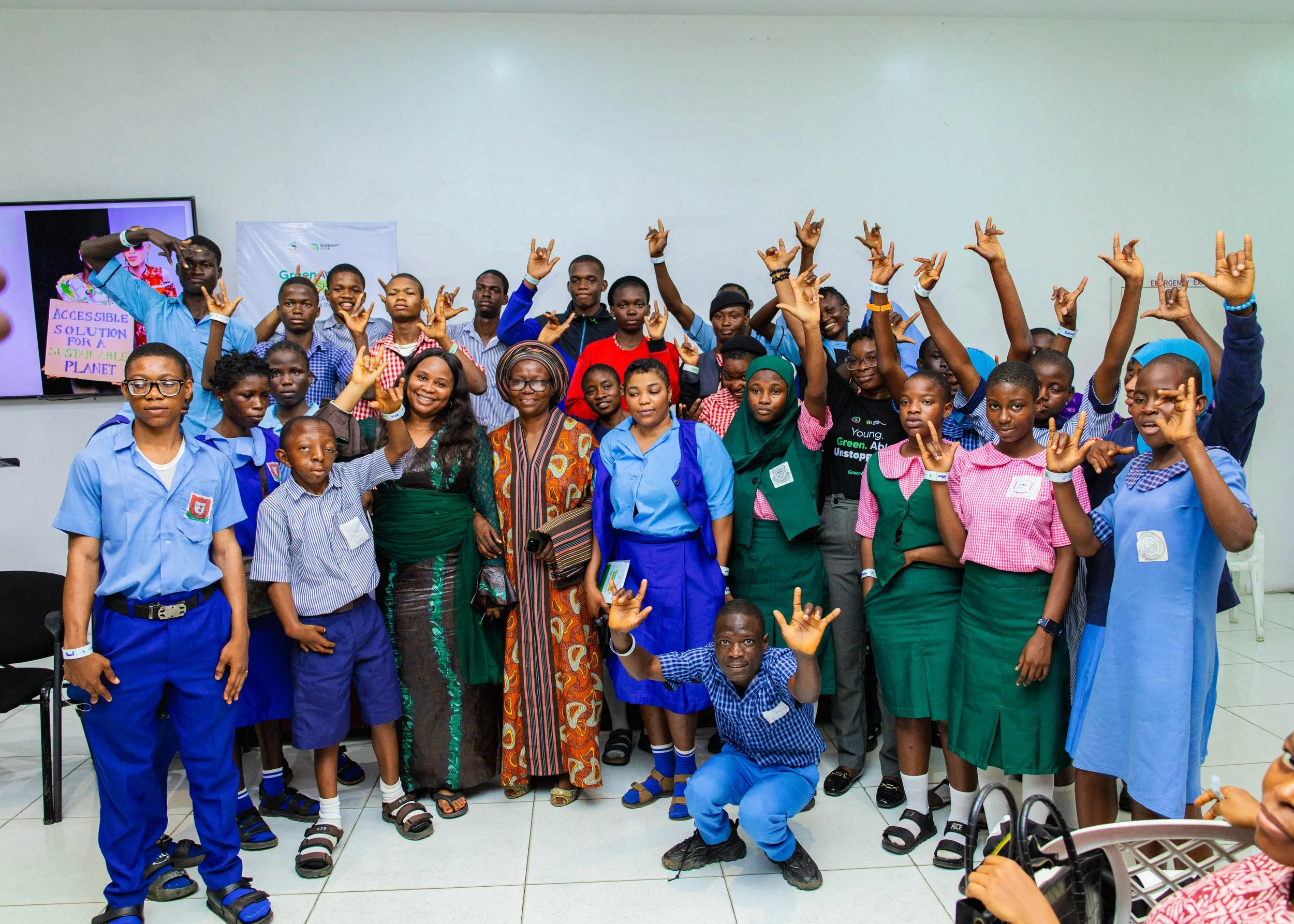
In September, we hosted the fourth Annual Cape Town Climate Week, the first-ever Johannesburg Climate Week, and for the first time, eight of our African Climate Alliance Ambassadors — young climate leaders who have been through our year-long mentorship programme — hosted their own Climate Week actions in Zimbabwe, Kenya, Malawi, Zambia, Nigeria, and South Africa.
Expanding what started as Cape Town Climate Week across the continent showed us that climate justice doesn’t belong in one place, but can be built everywhere by young people leading in their own communities.
Now, we have spotlighted four stories of young people in Kenya, Nigeria, and Malawi, to learn more about the Climate Week actions they hosted:
Christopher Mutuku on Why Indigenous Seed Is the Root of Climate Action
Shupikai Ritta Nema on Gender Justice and Climate Action in Malawi
Yotam Cheketa on Addressing Malawi’s Lack of Climate Education
Hannah Omokhaye on Why There’s No Just Energy Transition Without Disability Inclusion
Supporting Community-Led Action with our Opportunity Fund
We know that accessing micro-granting and resource support is one of the most limiting factors in catalysing true, youth-led climate action. And we know that community-based solutions that respond to context-specific needs are the only way to solve this complex crisis. Our Opportunity Fund exists to address these gaps. Our Graduated Ambassadors and youth network are able to pitch projects to us — that align with our vision, mission, and values – to receive micro-granting support.
In the past quarter, we have successfully granted micro-funding to four youth-led projects in Kenya, Nigeria, and South Africa:
Mbuuni Primary School Kitchen Garden & Community Food Event (Kenya): This two-day initiative established a sustainable kitchen garden at Mbuuni Primary School while hosting a community food event celebrating local food culture. Through hands-on training with the school's 4K Club, students learnt climate-smart agriculture techniques, including composting and water harvesting. The "Our Food, Our Future" community gathering brought together youth, educators, and community leaders to explore the connections between food systems, water justice, and climate resilience while honouring traditional food knowledge and local solutions.
Campus Herb Garden for Student Wellness (South Africa): Led by a Master's student in Social Work, this pilot project creates a therapeutic herb garden on campus as an alternative mental wellness space for students experiencing stress, anxiety, and depression. The garden will cultivate indigenous and medicinal herbs while providing students with a restorative, community-centred environment where healing happens through connection with soil and each other. Drawing on research linking gardening to mental health benefits and the founder's personal experience, the project offers non-talk therapy grounded in African knowledge systems and green social work principles, with plans to scale into a larger campus garden supporting food security and student leadership.
Documenting Nigeria's Oniparo Women and the Original Circular Economy (Nigeria): This groundbreaking feminist participatory action research project documents and amplifies the voices of Oniparo women—the largely invisible pioneers of Nigeria's circular fashion economy who have been collecting, exchanging, and upcycling clothing for generations. Through intergenerational research, participatory photography, and multi-stakeholder dialogue, the project recognises these women as essential actors in addressing textile waste while advocating for their inclusion in Nigeria's just transition to a green economy. The initiative culminates in comprehensive documentation, a multimedia campaign, and a convening that sparks tangible commitments toward supporting Oniparo livelihoods and preserving this vital cultural practice threatened by climate change and fast fashion.
Turning a Dumping Ground to Community Garden (South Africa): Ekasi Eco Solution is transforming an illegal dumping site plagued by pollution and health risks into a thriving community vegetable garden and study park. Through a community-led clean-up campaign followed by soil rehabilitation and garden establishment, this initiative tackles environmental degradation while promoting food security, youth environmental education, and community empowerment. The project embodies a vision of regenerative development—turning a symbol of neglect into a space of wellness, learning, and local food production that benefits the entire community.
Searching for our next cohort of African Climate Alliance Ambassadors
In November, we sent out our open call searching for our next cohort of African Climate Alliance Ambassadors — young African leaders from South Africa, Kenya, Malawi, Zambia and Zimbabwe ready to be actors for climate justice in their communities.
We have also been rethinking our Ambassador Programme curriculum to align further with our approach to systems education and active citizenry in the face of the climate crisis. The 2026 cohort will participate in four schools throughout the year-long programme:
Knowledge School: Afrocentric climate solutions, African indigenous knowledge, and justice frameworks, project management.
Mobilisation school: Campaign design, grassroots organising, and digital advocacy
Communications School: Storytelling, media engagement, and narrative power
Leadership and Care: Afrocentric leadership, principles of holistic care, and sustainable activism practices
Our Ambassador Programme is a year-long curriculum for African youth interested in accessing training in advocacy, storytelling, and climate leadership, connecting with passionate changemakers across Africa, and learning how to design and lead community climate projects that make a difference.
The successful candidates will be announced in January 2026!
Teaching our Graduated Ambassadors media skills to speak to engage with the press
As part of our ongoing mentorship of young people who have graduated from our Ambassador programme, we hosted a media training to teach them effective ways to engage with the press, pitch ideas, and amplify their work. We looked at narrative, messaging, interview techniques, and proactive reach-outs that they can use to share their stories with the world.
Protesting during Africa Energy Week to show that fossil fuels are false solutions
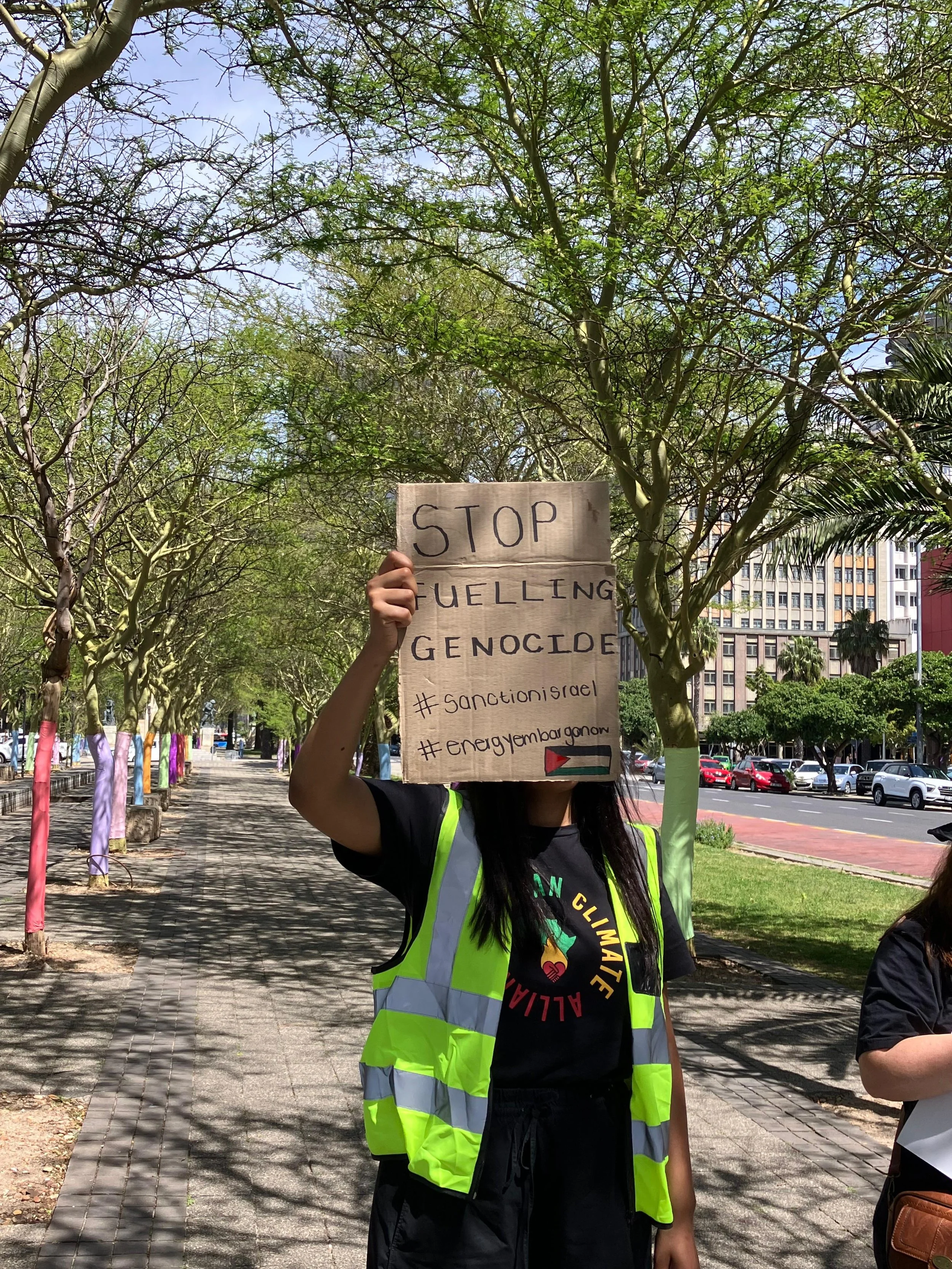
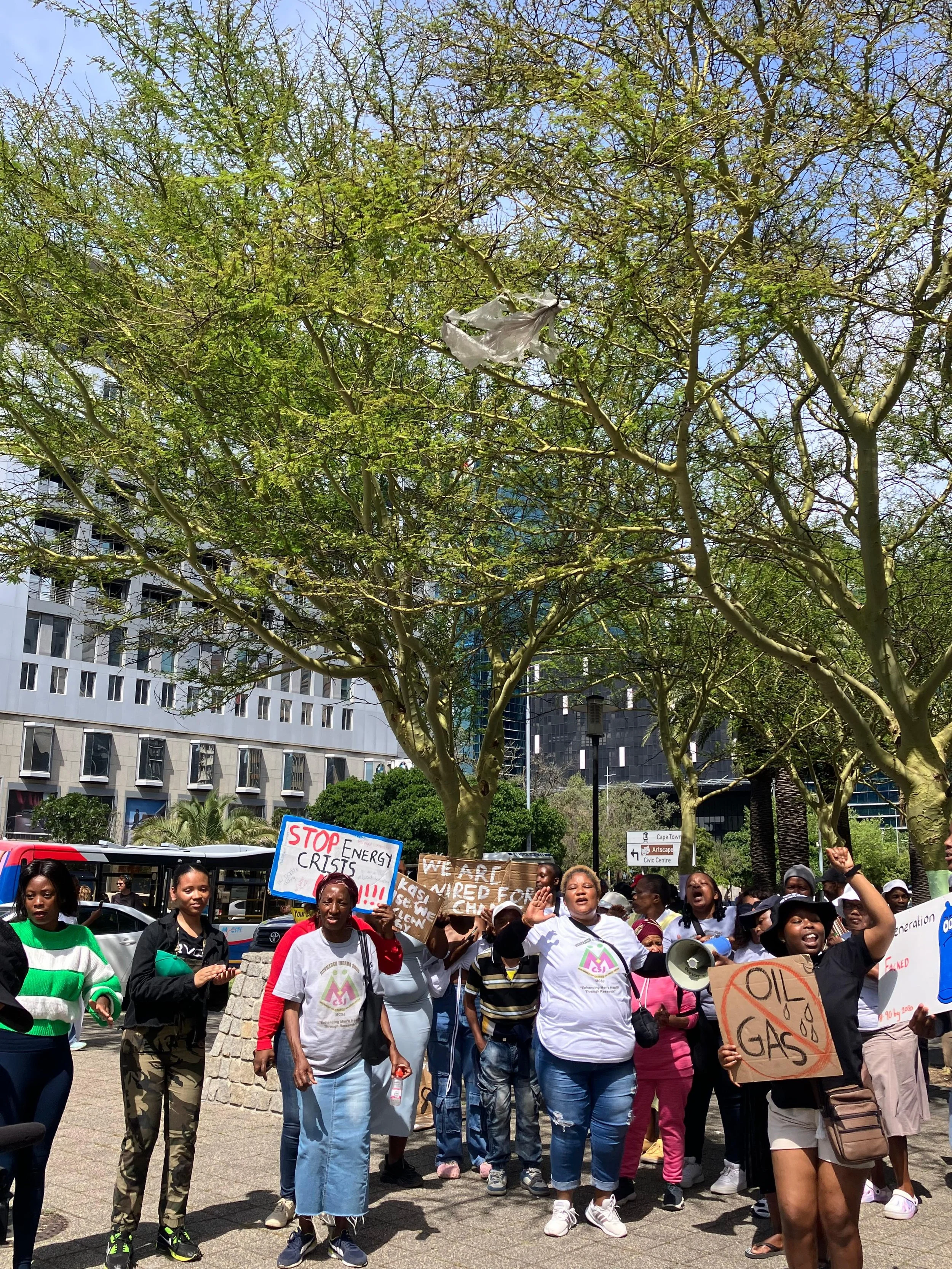
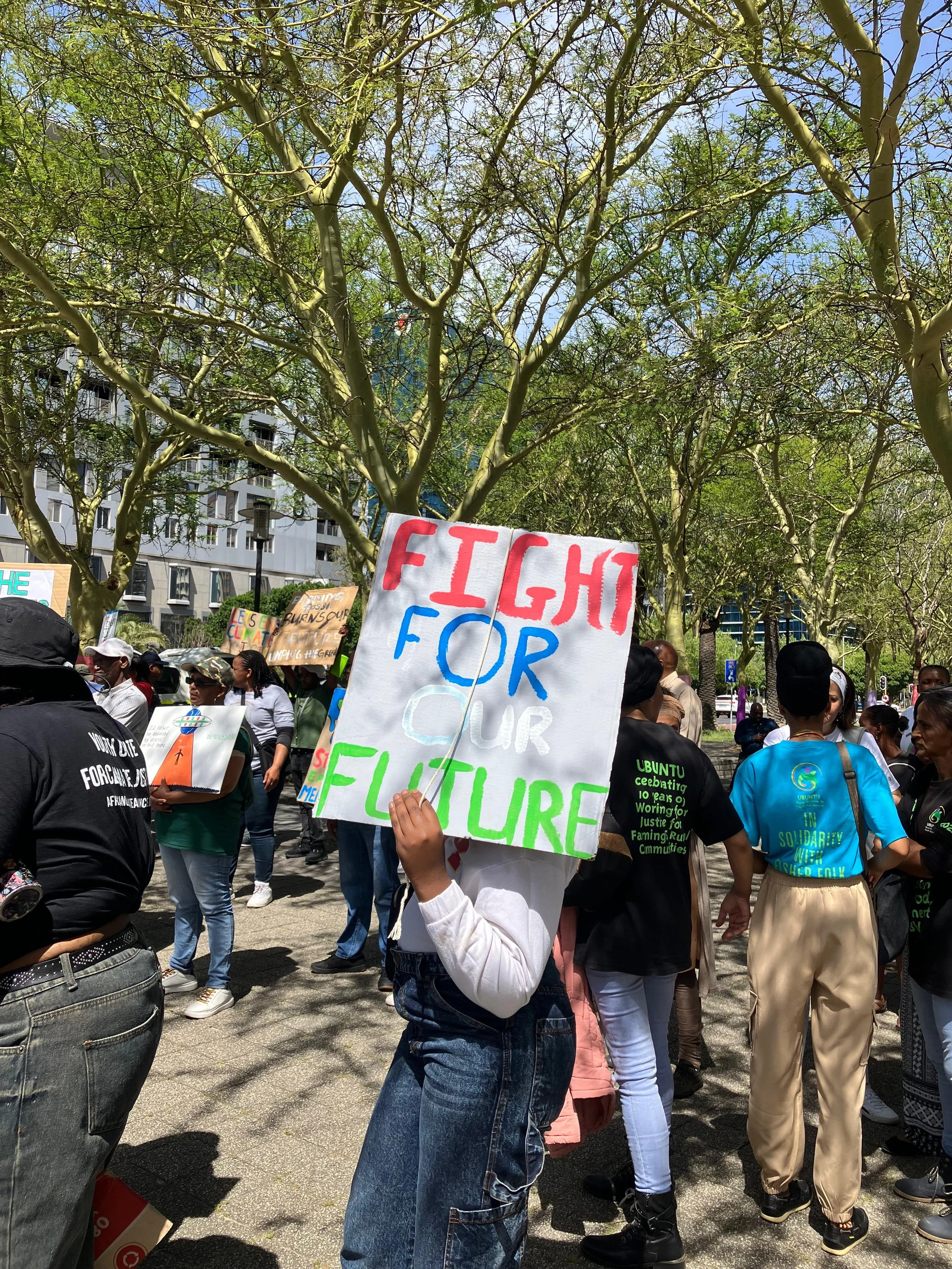
On Tuesday, 30 September, we gathered alongside climate justice activists, community leaders, and students outside the Cape Town International Convention Centre — the venue of Africa Energy Week 2025 — to demand that fossil fuels are driving our social and environmental crises, not solving them.
Africa Energy Week is marketed as a celebration of “business opportunities” offered by further coal, oil, and gas extraction on the continent, in the name of economic growth and development. Instead of throwing lifelines to oil and gas, governments should be investing in the real solutions already at our fingertips: community-owned solar and wind, resilient food systems, and a just and inclusive transition that protects workers and puts people first.
Civil society organisations that joined the protest include The Green Connection, African Climate Alliance, Extinction Rebellion Cape Town, Project 90 by 2030, SAFCEI, and the Climate Justice Coalition.
Exposing fossil fuel greenwashing and climate action with high school youth
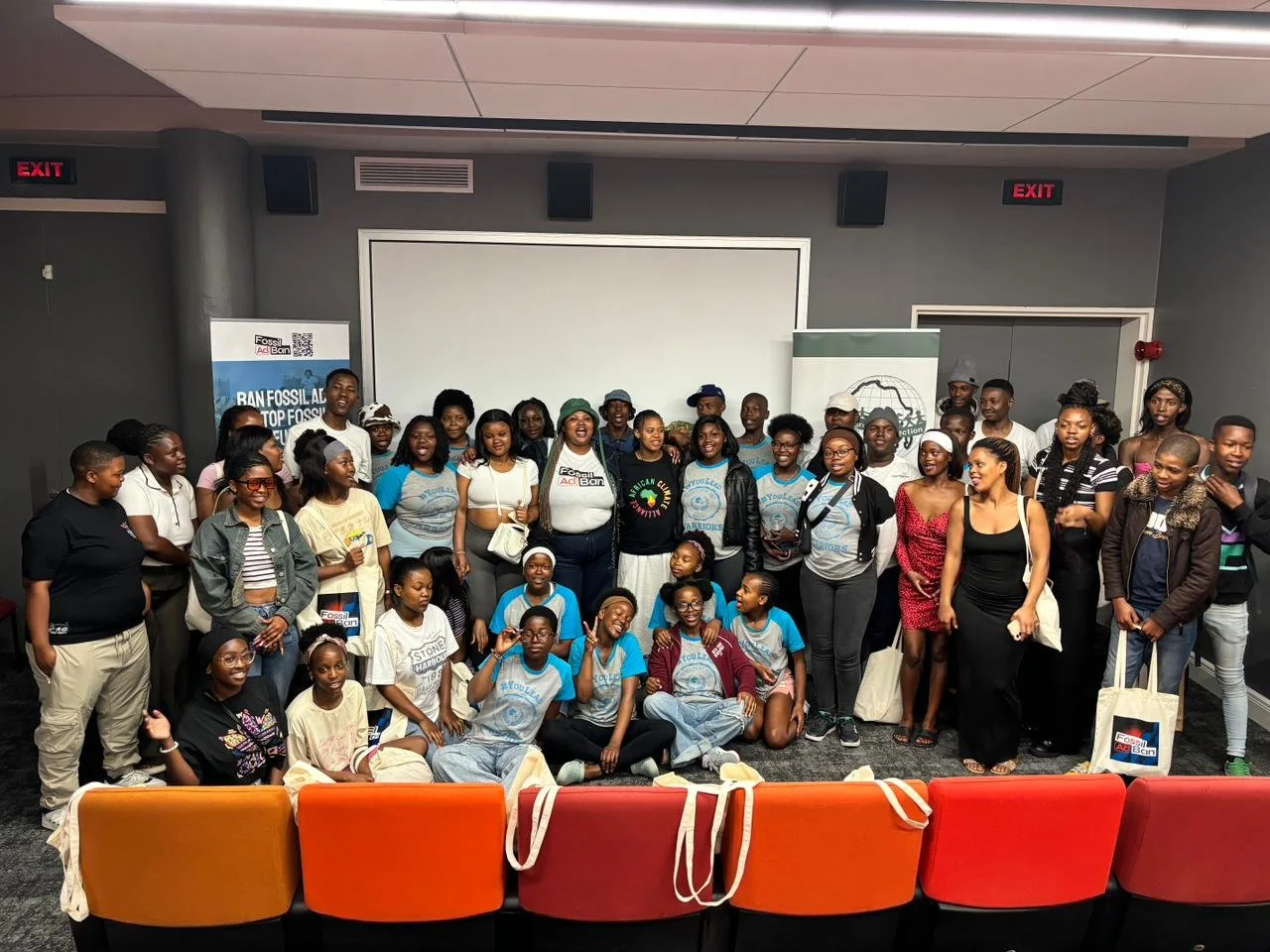
In October, we collaborated with Fossil Ad Ban and the Green Connection to bring together learners from grades 9 to 11 for a workshop exploring fossil fuel greenwashing and youth-led climate action.
We screened the powerful documentary, SPOILED, which highlights everyday heroes resisting offshore oil and gas exploration to protect South Africa’s oceans. This interactive workshop exposed fossil fuel greenwashing, laid the foundation for systems-level climate literacy, and shaped the lens young changemakers use to approach climate action. It also encouraged the formation of school eco clubs, empowering learners to champion climate justice in their schools and communities.
Joining forces with civil society organisations at We the 99% People’s Summit for Global Economic Justice
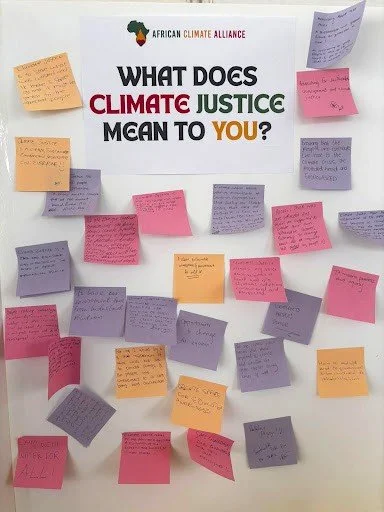
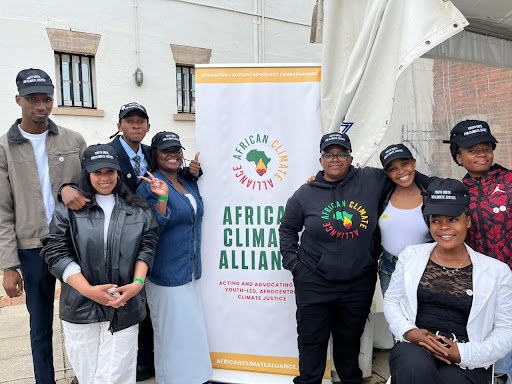
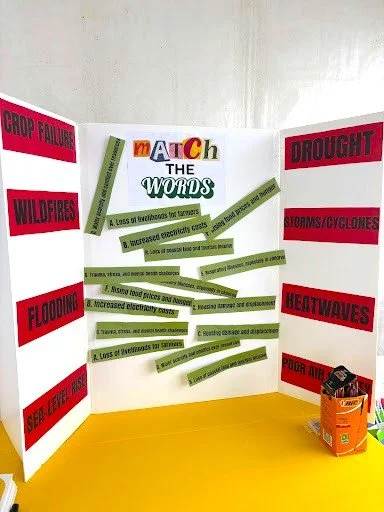
Those who will experience the harshest effects of this crisis are often excluded from decision-making spaces that shape their futures. That’s why we are participating in the We the 99% People’s Summit — a three-day People’s Summit with over 10 000 activists to confront injustice, unite the Global South and build a just future.
At the Summit, we facilitated a series of interactive climate justice activations, including the Climate Justice Wall, the Climate Match-Up Game, and the Loss & Damage Crossword. These activities, together with the storytelling circle, created accessible learning spaces for people of all ages to explore climate justice, community resilience, and the lived realities of climate impacts.
Welcoming new leadership to guide the next phase of our journey
Celiwe Shivambu, our Managing Director, has resigned from African Climate Alliance. She will be replaced in the interim by Lucelle Naidoo, with effect from 12 January 2026. We thank Celiwe for her contribution during her short period with us and wish her all the best in her future endeavours.
We also say farewell to our Communications and Storytelling Manager, Stella Hertantyo, after five years of dedicated service to African Climate Alliance. We thank her for all of her contributions and wish her well on this next phase of her work and life.
Mapping the path forward at our 2026 strategy session
To end off the year, our organisational team came together in Cape Town to reflect on the year past and plan for the year ahead. We spent days ideating themes, finding breakthrough ways to streamline and deepen our work, and committing to another year of dedicated service to the young people who are at the heart of our work. We ended the year on a high with the renewed reminder that there is no climate justice without youth inclusion!
For now, we will be closed from 12 December 2025 to 12 January 2026 to get some rest before embarking on the next chapter of our journey.